
You booked your planner 14 months out. You paid an $1,800 retainer. Then a text lands three weeks before the wedding: she has a medical emergency and cannot work your date. Sometimes the message is colder than that, just one line saying the business is closing. Either way, you now hold a signed contract, a nonrefundable deposit, and 21 days to figure out who runs your wedding.
This happens more than the industry likes to admit. A wedding planner cancels for real reasons: illness, a high-risk pregnancy, a death in the family, burnout, or a business that quietly folded. It also happens for bad ones. Think of a planner who oversold the calendar and dropped the smaller client to keep the bigger fee. Knowing which situation you are in changes what you do next. And most of your leverage was decided months earlier, in the contract you probably skimmed.
How often does a wedding planner actually cancel?
Outright cancellation is rare, but not rare enough to ignore. Most working planners run between 15 and 40 weddings a year. Across a career of hundreds of events, life eventually collides with a Saturday in June. The more common version is not a full cancellation at all. It is a planner pulled into a hospital stay, a car accident, or a sick child at home, who suddenly needs someone to stand in on the day.
That distinction matters more than couples realize. When a wedding planner cancels the contract entirely, you are sourcing a replacement from scratch. A planner who cannot work the day, but is otherwise reachable, can hand you a fully briefed substitute. That is a far smaller problem. The couples who get burned are almost always the ones who hired a true solo operator: no team, no backup network, and no clause explaining what happens when that one person goes down.
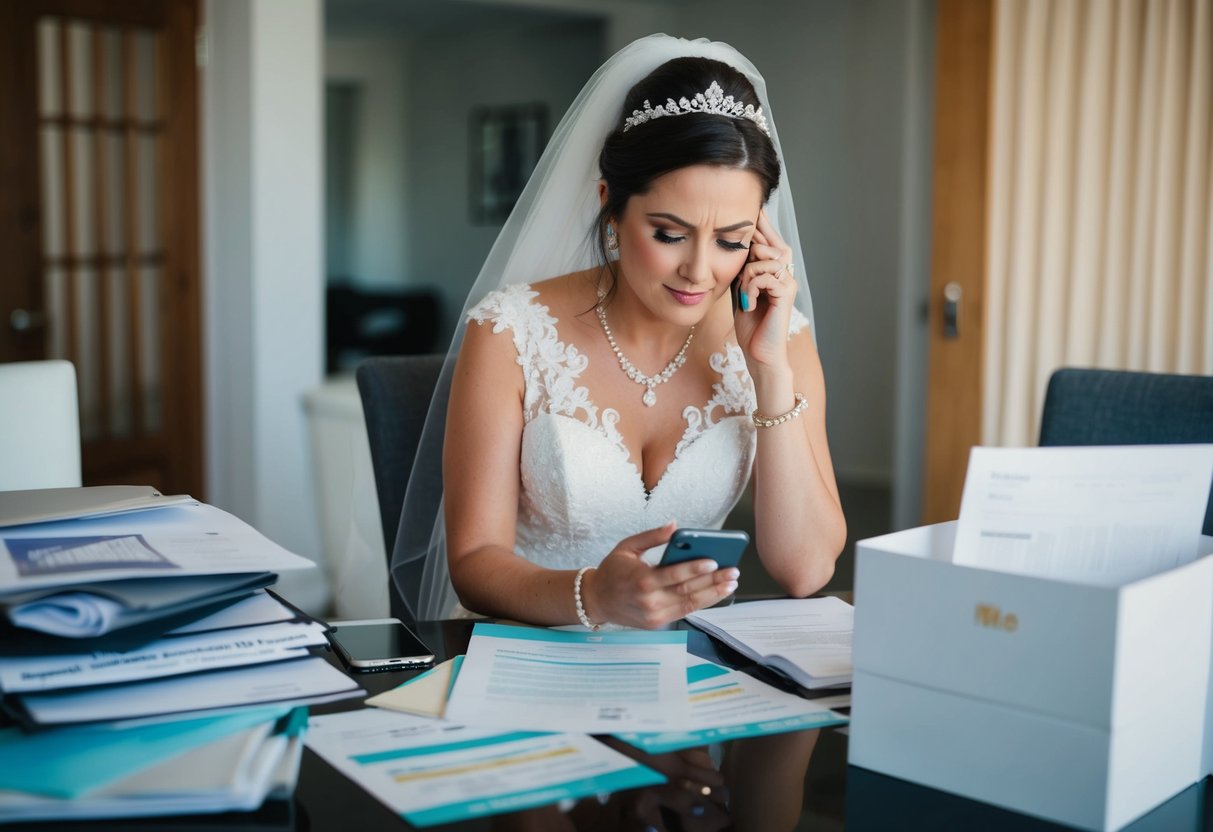
Here is a version I have watched play out. A couple books a beloved solo planner two years out for a 120-guest barn wedding. Six weeks before the date, the planner is put on bed rest. She has no associate and no written backup plan. The couple spends the final month interviewing strangers instead of finalizing their seating chart. It ends fine, but only because the caterer happened to know a coordinator with an open weekend. That is luck, not a plan.
Solo planners are not a red flag by themselves. Some of the best coordinators in any market work alone by choice and keep their guest counts low on purpose. The real question is different. Has that solo planner thought about the day they cannot show up? And were they honest with you about it before you signed?
What your contract should say about cancellation and substitution
Pull up your signed agreement and look for two separate clauses. Couples confuse them constantly. The first is your cancellation policy. It covers what happens when you, the couple, back out. The second is the planner’s own cancellation or substitution language. It covers what happens when the planner cannot perform. Many contracts spell out the first in painful detail and stay silent on the second. That silence is where couples lose money and sleep.
A fair contract from a professional includes a substitution provision. It reads something like this: if the planner cannot perform due to illness or emergency, the planner will provide a qualified replacement of equal experience at no extra cost, or refund all fees paid. That one sentence is worth more than any Instagram portfolio. It tells you the planner has a plan. It tells you they agreed, in writing, to eat the cost of running it.
The money at stake is not trivial. The Knot’s reporting on planner costs shows full-service planning commonly runs a few thousand dollars, and most planners take 25 to 50 percent up front. On a $6,000 package, that is a $1,500 to $3,000 retainer sitting in someone else’s account. So a lost deposit is rarely pocket change, and it is worth the awkward conversation to protect it.
No such clause in your contract? You are not powerless, but your recovery runs through general breach-of-contract principles instead of a clean promise. When one party fails to deliver a paid service, they generally owe the money back. The friction is practical. Chasing a refund from a planner who just shut down is slow. Small-claims court over a $2,000 retainer is a real option, and a genuinely miserable one. Read what to look for in a wedding planner contract before you sign your next one, and treat the substitution clause as non-negotiable.
The associate planner clause, and why it protects you
Larger firms rarely hit this problem. The person who sold you the package is not always the person running your day. Studios with a lead planner and two or three associates build redundancy right into the structure. If your lead is out, an associate steps in. That associate has already been copied on your timeline, your vendor contacts, and your floor plan. You may not get the exact face from the consultation. You do get someone who knows your wedding.
Ask directly during hiring: if you are unavailable on my date, who runs my wedding, and have they seen my file? A confident planner answers in one breath. A planner who goes quiet, or swears nothing could ever keep them away, is telling you they have no contingency. Nobody can promise they will never get sick. What they can promise is that your day does not collapse if they do.

This is one reason couples planning large, complex events lean toward established teams over brand-new solo operators. It is not that the solo planner is less talented. A 250-guest wedding with nine vendors and a plated dinner simply has more moving parts than one person can safely single-thread. I have seen a three-person studio reassign a wedding twice in one season without a single couple noticing the seam. That is the whole point of the structure. For a smaller celebration, a well-networked solo planner works fine. If she partners informally with two other planners in town, she offers the same protection without the studio price tag. Whichever path fits, look closely at how the coordinator handles day-of coordination staffing, because a missing backup shows up there first.
What to do the moment your wedding planner cancels
Your first move is to figure out how much time you have. A planner canceling nine months out is an inconvenience. A planner canceling nine days out is a crisis. Write down your timeline, your confirmed vendors, and the exact stage every booking sits at. Then read the message again, slowly. Decide whether the planner is offering a replacement or walking away entirely.
If they are offering a substitute, get that person on a call within 48 hours. Confirm they have your full file. Walk them through anything the paperwork does not capture, like the aunt who cannot sit near the bar. Ask them to reconfirm every vendor arrival time in writing. If the planner is walking away instead, work this order:
- Notify your venue coordinator first. They often know which local planners have open dates, and they can vouch for them.
- Ask your booked vendors, especially your photographer and caterer, for referrals. They work beside coordinators every weekend.
- Post the date and scope in one or two regional planner groups. A last-minute open weekend is exactly the gap experienced coordinators fill.
- Request your deposit back in writing, dated, with a clear reference to the missed service.
Move fast on the calendar, not the refund. Every day you wait, another couple with your date is emailing the same short list of available coordinators. A replacement who can hold your date is worth more this week than a refund that may take months to land. Is the wedding inside 30 days? Look specifically for planners who offer month-of coordination as a standalone service. That is precisely the rescue package they are built to run.
Getting your deposit back, or not
Whether you see that retainer again depends on two things: why the planner canceled, and what the contract says. When a planner cannot perform and offers no replacement, the money is generally owed back. You paid for a service you never received. A retainer labeled nonrefundable protects the planner when the couple cancels. It does not protect them when the planner fails to show. Those are different situations. A nonrefundable label does not let a planner keep your money for work they never did.
The real complication is collection. A planner in the middle of a health crisis may fully intend to refund you and simply move slowly. A planner whose business collapsed may have no funds left to return at all. Send your request in writing. Keep it factual and unemotional. Give a specific deadline, something like 14 days. Paid by credit card? You may have chargeback rights for services not rendered, though most networks give you 60 to 120 days from the charge and expect you to try the vendor first. Document everything: the signed contract, proof of payment, the cancellation message, and every reply.
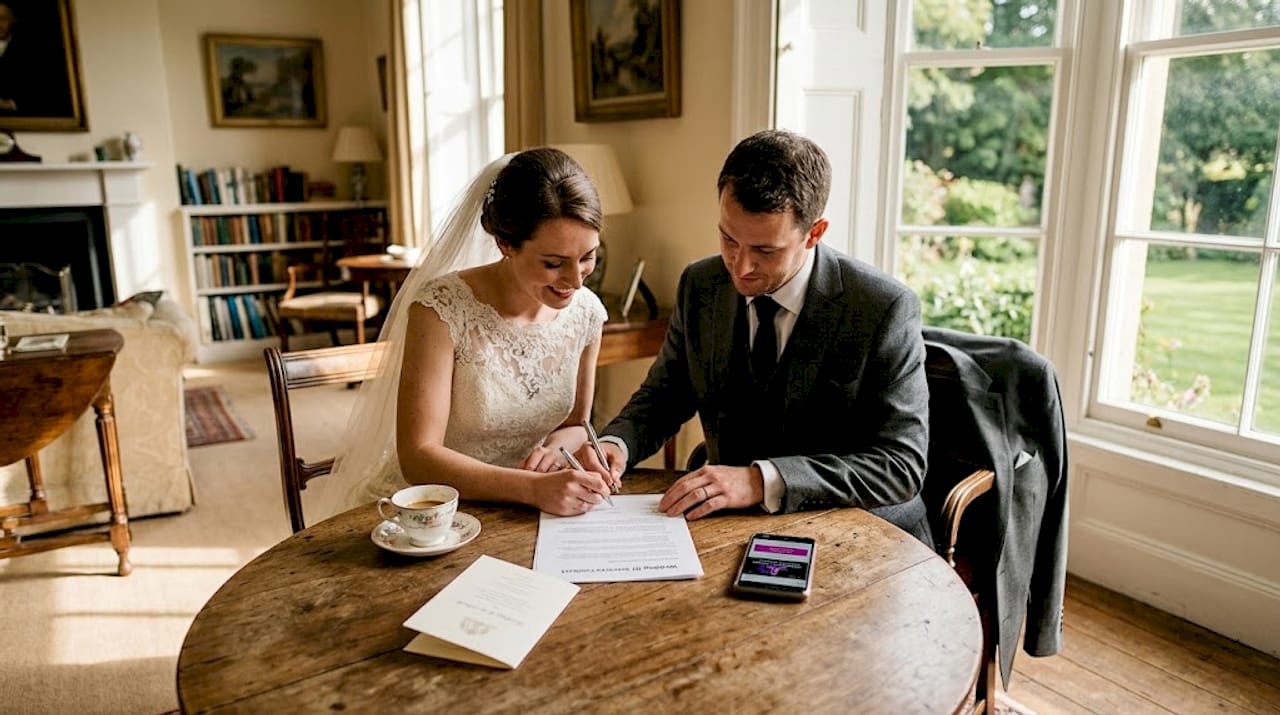
If it comes to small claims, the barrier is lower than couples fear. Filing fees usually run $30 to $75, you do not need a lawyer, and the dollar limit sits between $5,000 and $10,000 in most states. That comfortably covers a planning retainer. Bring the contract, the payment record, and the cancellation message, and let the paper trail argue for you.
One caution, and it is the one couples hate. If the planner does provide a qualified replacement at no extra cost, they have met the contract. You generally do not have grounds to demand a refund on top of that just because you wanted the original person. That stings when you bonded with the planner you hired. Legally, though, a fulfilled substitution counts as delivery, not breach. Your remedy is to make the new coordinator great, not to claw back the fee.
How to vet for this before you ever sign
Every problem above is easier if you screen for it during hiring, and the screening takes about four questions. Ask what happens if the planner is sick or has an emergency on your date. Ask whether they work solo or with a team. If solo, ask who their backup is, by name. Ask for the substitution language in the contract, in writing, before you pay a cent.
Then add one more question: how many weddings do you take per weekend? A planner double-booking two events on the same Saturday is one flat tire away from shorting one of you. Those questions belong right beside the standard checklist about pricing, packages, and references. Early in your search? Our guide on how it works walks through vetting a coordinator end to end. The same rule holds here: favor planners who answer awkward what-if questions calmly over the ones who deflect.
One last practical filter, and this is where cheap quotes hide expensive surprises. Ask whether the planner carries liability insurance. A good planner will not blink; the ones who hold a $1 million general liability policy usually mention it before you finish asking. Ask whether the contract addresses force majeure, the clause covering events outside anyone’s control. Neither one guarantees a backup coordinator on its own. But planners who keep those documents in order tend to be the same people who have thought through what happens when a wedding planner cancels. Organized paperwork is a decent proxy for an organized business, and an organized business is the one that finds your replacement.
If you are the planner: never leave a couple stranded
Working planners should read this section as a business risk, not a hypothetical. The day you cannot work a wedding will come. How you handle it defines your reputation more than any styled shoot ever will. Build a mutual-aid arrangement with two or three planners whose work you trust. Agree in advance to cover each other’s emergencies at a set rate, so the terms are not a negotiation during someone’s hospital stay. Keep every active client’s file in a shared, current format, so a substitute can absorb it in an hour rather than a day.
Put the substitution clause in your own contract before a client ever asks for it. It signals professionalism. It protects you from a breach claim. And it forces you to actually build the backup network instead of hoping you never need it. One dark Saturday, where a couple gets married without the coordinator they paid for, can sink a small business through reviews alone. The planners who last are the ones who treat their own absence as a real scenario and prepare for it while everything is calm.
So do the boring work now, this quarter, not after the first scare. Draft the clause, name your two backup planners, and set up the shared file template this week. Before you sign anything or take another booking, put the substitution question in writing and get a real answer. When a wedding planner cancels, the couples who recover fastest are always the ones whose planner solved it months earlier, back when everything was still fine.