You have 118 guests, twelve 60-inch rounds, and a caterer who needs a final count by Tuesday. The chart has been eighty percent done for three weeks. Two tables collapse every time you move one cousin. Every planner has watched this stall happen at the same point in the calendar.
A wedding seating chart is a logistics document that happens to look like a craft project. It sets how fast dinner gets served, whether your grandmother can hear the person beside her, and how long the silence lasts at the table with both of your dad’s ex-wives. Get the structure right and the diplomacy gets easier. The couples who struggle are the ones who start with names instead of tables.
Start Three Weeks Out, Not Three Days
Work backward from the caterer’s guarantee. Most catering contracts require a final guaranteed count 7 to 10 business days out. That number can usually go up afterward, never down. The guarantee date is the real anchor for your wedding seating chart, not the wedding date itself.
Set your RSVP deadline 4 to 5 weeks out. Then assume 15 to 20 percent of households will ignore it, because they always do. Budget a full week for chasing: a group text first, then individual calls for the stragglers. Aunts who ignore a website will answer a phone.
That leaves roughly three weeks for the chart itself. Calligraphers need final names 2 to 3 weeks ahead, and most will not take a list that keeps moving. Digital printing runs 5 to 7 business days plus shipping. A large-format sign at a local print shop can turn in 48 hours. That speed is why I steer indecisive guest lists toward signage every time.
One deadline hides in the venue contract. If your venue submits a floor plan for fire approval, that date usually lands 14 days out. It locks your table count, not your names. Check your contract for it now, because city venues enforce it harder than barns do.
Lock the wedding seating chart 10 days out. After that, keep a running change list instead of rebuilding the file. Send your day-of coordinator the final version five days ahead so they arrive with it memorized. Send the venue the same file on the same day, because the two copies drift apart fast.
The Table Math That Decides Everything
Before you place a single name on a wedding seating chart, know what your tables actually hold. The Knot’s Real Weddings Study puts the average guest count around 115, so the math below runs off a 120-person room. Here is what standard rentals seat:
- 60-inch round: 8 comfortably, 10 once elbows touch and the chargers overlap
- 66-inch round: 9 or 10 with no argument from anyone
- 72-inch round: 10 well, 12 at the outer limit
- 8-foot banquet table: 8 down the sides, 10 if you seat the heads and block server access
Ten at a 60-inch round is the most common false economy in this whole process.
Spacing matters more than most couples expect. Plan 60 inches between table edges so servers can pass behind seated guests. Treat 48 inches as the hard floor. Your venue’s fire marshal wants clear egress paths, usually 44 inches minimum, and those paths do not bend around a table you squeezed in.
For overall capacity, figure 15 to 20 square feet per guest for a seated dinner with dancing. At 120 guests that is 1,800 to 2,400 square feet of usable space, before the bar and the band. The dance floor runs about 4.5 square feet per dancing guest. Roughly 40 percent of a room dances at once, so 120 guests fit on a 15×18 floor.
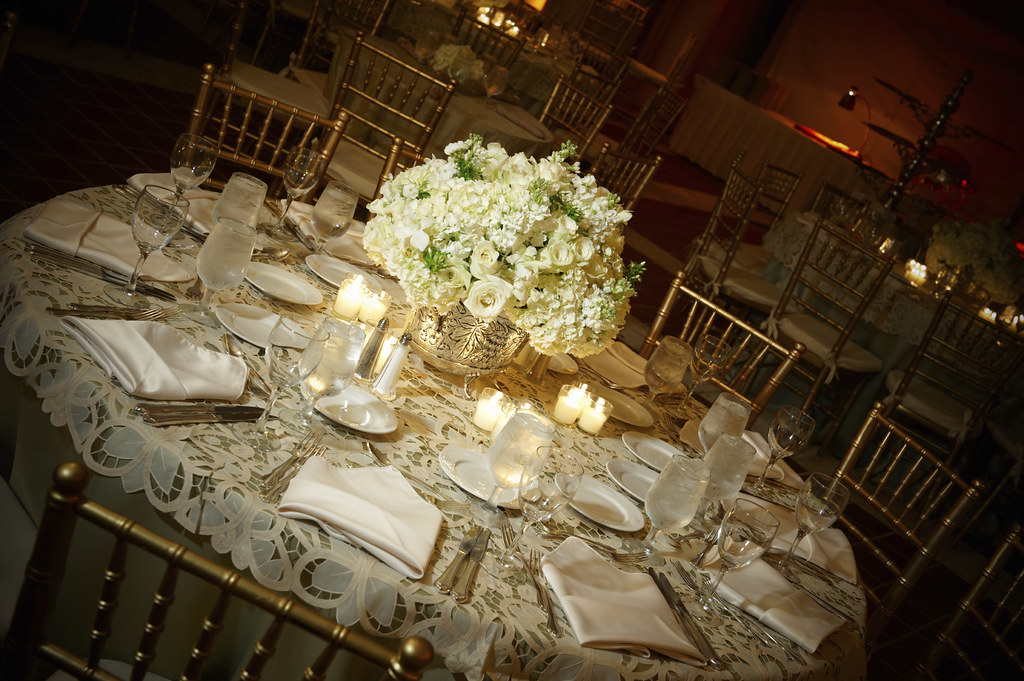
The table count carries a price tag. Going from 8-tops to 10-tops at 120 guests drops you from 15 tables to 12. That saves three linens at $18 to $45 each and three centerpieces at $85 to $250 each. Call it $600 to $900, paid for out of your guests’ elbow room. I take the comfort over the savings almost every time.
Build Anchors First, Then Fill the Gaps
Place the fixed points before you touch the flexible ones. The head table or sweetheart table goes down first, then parents’ tables within about 20 feet of it. Anyone with mobility needs belongs near the entrance and the restrooms, well away from the speaker stacks. A DJ setup runs 95 to 100 decibels at ten feet. Nobody over 75 should sit inside that radius.
After the anchors, a wedding seating chart moves in blocks rather than individuals: the college group, the work group, the cousins, your partner’s hometown friends. The goal for each table is simple. At least half the seats should already know each other. Two clusters of four plus one person who bridges them makes a good table. Eight strangers makes a quiet one.
The hard part is always the leftovers, the twelve or so guests who belong to no block at all. Do not scatter them into gaps. Build one deliberate table, stack it with your most social friends, and give it good sightlines to the dance floor. People forgive being seated with strangers when the seat itself feels like a good one.
Kids need their own call. Under 10, seat them with their parents; a table of eight seven-year-olds ends in tears or frosting. Ten to fifteen year olds do well together, near the dance floor and away from the toasts. Vendor meals get a two-top out of sightlines, and your photographer eats when you eat, not after.
Some traditions carry seating rules that override every instinct above. Elders seated first, families grouped by household, honored guests placed by rank. If your celebration works that way, a planner who specializes in cultural weddings will know the order cold. They can also explain it to a venue coordinator who has never set that room.
Divorced Parents, Exes, and the Table Nobody Wants
This is the part of the wedding seating chart couples dread, and the fix is structural rather than emotional. Seat divorced parents at separate tables of equal status. Equal means measurably equal: the same rough distance from you, a clear view of the toasts, a table of people they actually like. A six-foot difference reads as a ranking to whichever parent ends up farther away. They will notice inside the first ten minutes.
Sightlines cause more trouble than distance. Two tables facing each other across an open dance floor put people in each other’s eyeline all night. Angle them, or park the cake table or a floral installation between them. Give each parent a table host, someone who keeps conversation moving without being asked.
Every floor plan has one bad position, usually beside the service door or under a speaker. The instinct is to hand it to the guests you like least. Do the opposite. Give it to a table of friends in their late twenties who will be at the bar by 8:30 and dancing by 9. They will not remember where they sat.
One more rule saves real grief. A guest bringing a plus-one who knows nobody should sit with people who will talk to them. Put that couple near a host, not at the edge of a family cluster with fifteen years of shared history. If two guests genuinely cannot share a room, tell your planner in writing. It belongs in the notes column of the wedding seating chart, not in your head.
Escort Cards, Place Cards, or a Wedding Seating Chart Sign
These three tools do different jobs, and couples mix them up constantly. A wedding seating chart sign lists every guest and assigns a table. Escort cards do the same job on individual cards that guests carry in with them. Place cards go one level deeper and assign a specific seat. Skip them and plated service falls apart. Servers have no way to match a pre-selected entree to a chair.
With plated service, every place card needs a meal indicator: a colored dot, a small icon, a wax seal in three colors. The banquet captain will ask for your key at the 4 p.m. walkthrough. Without it, servers have to ask each guest at the table. That adds about ten minutes of service time across a 120-person room.
Costs vary more than couples expect. A printed 24×36 sign runs $150 to $400 with an easel, and acrylic versions run $300 to $700. Calligraphed escort cards run $2.50 to $6 each, so $300 to $720 for 120 guests. Printing them at home costs about $40 in cardstock and six hours of your life. I see more overspending on this line than on any other paper item, and the sign is usually the better buy.
If you use escort cards, alphabetize by last name and never by table. Sorting by table creates a scrum of forty people hunting for their own name. Allow about 30 inches of display table per 50 cards. Outdoors, weight them or pin them, because a 12 mph breeze will redistribute your guest list across the lawn.
What to Do When the Count Changes on Thursday
Somebody always cancels. Expect 2 to 5 percent no-shows at a local wedding. Destination weekends run higher, 8 to 15 percent, since guests booked flights months ago. Someone will also wake up sick on the wedding morning, and you find out by text at 6:40 a.m.
The money is already spent. Once the guarantee passes, you pay for the count you gave. Pulling a name off the chart saves nothing at the catering line. What it changes is how the room looks. One empty chair at an 8-top is visible from across the space. Build slack in on purpose. Leave a seat open at three or four tables instead of packing every one to its maximum.
The morning-of text is its own drill. Leave the printed sign alone. Pull that escort card instead, and tell the banquet captain which seat went empty. Otherwise a server holds a plate for a guest who is not coming.
If you lose a whole table’s worth of guests, ask the venue to strike the table. Spreading the gap across the room looks worse. Most venues can pull a table up to about two hours before doors open. They will not love the request, because linens and china usually go down by mid-afternoon. Ask anyway.
Keep a paper backup of the wedding seating chart. Ten blank escort cards, a fine-tip pen that matches the originals, and a printed master list. Phones die and venue wifi fails at exactly the wrong moment. A coordinator or a full-service planner makes the swap during cocktail hour. Nobody in the room registers that anything changed.
Who Owns the Wedding Seating Chart File
Split the work by what each person is actually good at. You make the political calls. Only you know that your uncle and your godmother stopped speaking in 2019. Your planner owns the layout, the version control, and the vendor handoff. That half is a production task with deadlines, not a feelings task.
Use whatever tool your venue already uses. Many venues work in Prismm or Social Tables. They can hand you a to-scale floor plan with your real table inventory. That beats guessing off a napkin sketch. Building it yourself is fine too. A spreadsheet handles it: name, party, table, entree, dietary restriction, mobility note, kid meal, vendor meal. Those columns do everything a paid app does. Sort by table for the venue and by name for the escort cards.
Ask what your planner’s package actually includes before you assume anything. A month-of coordinator in the $1,800 to $3,500 range usually builds the chart in two to three hours. Two revision rounds are normally part of that. Other packages treat chart building as an hourly add-on. Read the planning package comparison before your first call. Cheap day-of quotes are where this particular surprise hides.
Seven days out, four things go to your vendors:
- the numbered table layout, back-of-house copy
- entree counts by table
- a dietary and allergy list with table and seat position
- the vendor and kids meal count
Name your tables after cities or first-dance songs if you like. Number them on the back-of-house copy anyway. Staff move faster with numbers than with poetry.
Block two hours this week, print the guest list, and place your anchor tables before you touch anything else. A wedding seating chart built from fixed points outward takes an evening. Built one name at a time, it takes a month and still breaks the week of the wedding.