
You found a planner you click with, the quote feels fair, and they just emailed a six-page PDF asking for a 40% deposit by Friday. Most couples skim it, initial the bottom of each page, and move on. But the wedding planner contract you sign now decides what happens later. What if your venue floods three days out? What if your planner books a maternity leave over your date? What if you call off the wedding in March and want your $3,000 deposit back?
This is the document that turns a friendly conversation into an enforceable agreement. Read it the way a planner who has run a hundred weddings reads it: looking for the gaps, not the glossy paragraphs. Below is what each clause should say, what the dollar figures look like in 2026, and where to push back before you sign.
What a Wedding Planner Contract Should Actually Include
A real wedding planner contract names six things in plain language. It covers the scope of services, the total fee and payment schedule, the cancellation and refund terms, force majeure, substitution and liability, and the dispute process. If any of those are missing, the document is too vague to protect you.
Length is not the signal. I have seen tight four-page agreements that protect both sides better than a fifteen-page template from a legal-forms site. What matters is specificity. A line that reads ‘planner will provide coordination services’ is worthless. Compare it to this one: ‘planner will run a final venue walkthrough no later than 14 days before the event, build a minute-by-minute timeline, and be on site from 9 a.m. through the end of formal reception events, up to 10 hours.’ That second line tells you exactly what you bought.
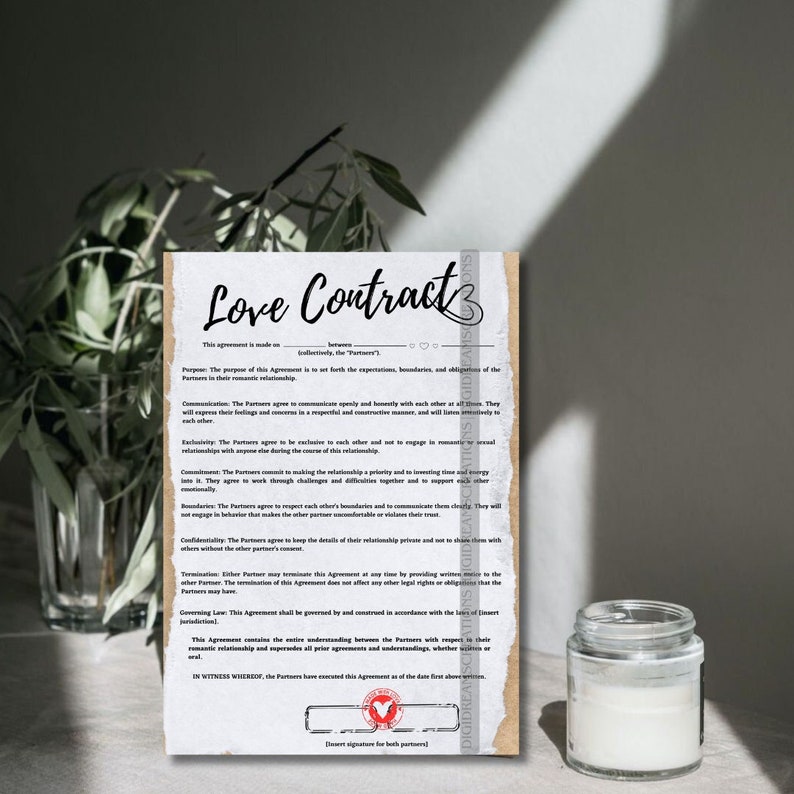
Before you read a single clause, confirm the contract matches the service tier you discussed. A full-service planning agreement and a day-of coordination agreement are different animals. Planners sometimes send the wrong template. Say you were quoted full planning at 15% of a $50,000 budget. If the contract instead describes ‘month-of’ duties, stop there. That mismatch is your first negotiation, not a typo to ignore.
Start With the Scope of Services, Not the Price
The scope section is the part couples skim and later fight over. It should answer concrete questions. How many in-person meetings are included? Does the planner manage vendor contracts, or just refer you to vendors? Is venue sourcing part of the deal, or a separate fee? Who builds the timeline, and who is allowed to change it on the day?
Watch the hours. A common day-of package promises ‘up to 8 hours of on-site coordination.’ Overtime gets billed at $75 to $150 per hour after that. If your ceremony starts at 4 p.m. and your reception runs past midnight, eight hours will not cover it. You will get an invoice you did not expect. Ask the planner to write your actual arrival and departure times into the contract.
Look for what is excluded. Good contracts list it plainly. The planner does not provide rentals. They do not transport personal items. They do not handle final headcount with the caterer unless stated, and they do not stay to oversee teardown. Exclusions are not the planner hedging. They are the planner being honest about where their job ends and yours, or another vendor’s, begins. A scope that claims to cover everything is the one that will surprise you.
How the Payment Schedule and Deposit Should Read
Deposits in 2026 typically run 25% to 50% of the total fee, due at signing. They are almost always nonrefundable. That word does heavy lifting, so understand what it protects. The planner turns away other couples for your date once you book. The deposit compensates for income they can no longer earn, and that logic is fair. What is not fair is a 50% nonrefundable deposit eighteen months out, when the planner has done almost no work yet.
The rest of the fee should be tied to milestones, not collected all at once. A clean structure looks like 40% at signing, 30% at the 90-day mark, and the final 30% due 14 days before the wedding. Final payment before the event is standard. No vendor wants to chase a balance while couples are on a honeymoon. If a contract demands 100% up front, ask why. Treat a weak answer as a reason to negotiate or walk.

Confirm how you pay and whether there is a surcharge. Card payments often carry a 3% processing fee that some planners pass to you. Read whether late payments trigger a penalty, usually 1.5% per month. Check whether a missed milestone payment lets the planner suspend work. Get the payment dates written as calendar dates, not ‘30 days before,’ so no one argues about counting. And insist that every dollar you send is logged against a written total, with the balance restated on each invoice.
The Cancellation and Refund Clause Is Where the Money Hides
This is the clause to read twice. It should spell out three scenarios: you cancel, the planner cancels, and you postpone. Each carries different money. A contract that only addresses one of them is incomplete.
If you cancel, expect to lose the deposit. Expect a sliding scale on anything already paid. A typical term works like this. Cancel more than 180 days out and you forfeit the deposit only. Cancel inside 90 days and you owe 50% of the total. Cancel inside 30 days and the full fee is due. That escalation reflects work already done and dates already blocked. It is steep, but it is defensible. What you should reject is a flat ‘no refunds under any circumstances’ with no sliding scale, because that charges you the full fee for a cancellation two years out.
Postponement deserves its own line. Most planners will now move your date once for free if you give enough notice, often 90 days or more, subject to their availability. Read whether a second postponement costs extra. Check whether moving to a peak Saturday in high season triggers a price increase. If the planner cancels on you, the contract should require a full refund of everything you paid. The strongest agreements go further and require the planner to help you find a qualified replacement. If the cancellation clause only protects the planner, that imbalance tells you how they will behave when something goes wrong.
Force Majeure: What the Clause Should Cover Now
Every serious contract written after 2020 has a force majeure section, and it has grown longer for a reason. The clause covers events outside anyone’s control: hurricanes, wildfires, government-ordered shutdowns, a venue burning down, a pandemic. The real question is what happens to your money when one of those events makes the wedding impossible.
Read exactly which events are named. A modern clause lists epidemics and pandemics explicitly. The old boilerplate that said ‘acts of God’ left everyone arguing in 2020 about whether a virus qualified. The clause should also state the remedy. The fairest version converts your payments into a credit toward a rescheduled date. It refunds the unearned portion of the fee and keeps only the cost of work already performed. A clause that lets the planner keep 100% of your money, for a wedding that physically could not happen, is the one to negotiate hard. For a plain-language breakdown of these terms, read this guide to wedding vendor contracts at The Knot.
Force majeure matters even more for a destination wedding. Travel bans, passport delays, and regional weather can derail a date that is otherwise fine where you live. If you are marrying abroad, ask the planner to address travel disruption specifically, not just weather at the venue. The clause should answer one plain question. If neither of us caused this, who absorbs the loss? A contract that splits that loss fairly was written by someone who has lived through a canceled season.
Substitution, Illness, and Who Actually Shows Up
You are hiring a specific person, or you think you are. Many contracts contain a substitution clause. It lets the company send a different coordinator if your planner is sick, injured, or double-booked. That clause is reasonable, because people get the flu and cars break down. But it should come with limits. The substitute should be named, or at least described as ‘a coordinator of equal experience.’ You should be notified as soon as possible, not when a stranger walks up at the rehearsal.
If you booked a solo planner with no team, ask the harder question out loud. What happens if you are physically unable to work my wedding? A good answer is a written backup arrangement: a named colleague, or a coordinator network they belong to, with the same logistics handoff. A planner who shrugs and says ‘that won’t happen’ has not run enough weddings. Eventually it does. The contract should not leave you with a refund and an empty chair on the day you need someone most.
For larger or higher-stakes events, the staffing line matters even more. A luxury wedding with 200 guests and twelve vendors is not a one-person job. The contract should state how many staff will be on site and what each one does. If the proposal sold you a team but the contract names only the lead planner, get the assistants written in, with their hours. The day-of labor you were promised belongs in the document, not just in the sales conversation.
Liability, Insurance, and the Damage Cap
Near the end of most contracts sits a liability section that quietly limits what you can recover. The most common version caps the planner’s total liability at the amount you paid them. Say a coordinator’s mistake costs you a $4,000 deposit with another vendor. If you only paid the planner $2,500, that cap limits your recovery to $2,500. Caps are normal across the events industry. Just read the number, and make sure it is not set absurdly low, like ‘liability limited to $500.’
Ask whether the planner carries general liability insurance, and ask for proof. A working professional typically holds a policy with $1 million to $2 million in coverage. Many venues now require a certificate of insurance before they let any vendor on the property. A planner who cannot produce a COI is either uninsured or new to working with venues that vet their vendors. Both are worth knowing before you sign.
Read the indemnification language slowly. It usually runs in the planner’s favor and asks you to cover their costs if a third party sues over your event. Some of that is standard. What you want to avoid is language so broad that you cover the planner’s own negligence. If a clause makes you responsible for the planner’s mistakes, that is not a balanced agreement. A quick note to a lawyer, or a frank conversation with the planner, is cheaper than the risk.
Red Flags That Should Make You Walk
Some problems are not negotiation points. They are exits. A planner who refuses to put the agreement in writing at all is the clearest one. ‘We can keep it casual’ sounds friendly and costs you every protection above. No contract means no enforceable scope, no refund terms, and no recourse.
Watch for these specific warnings:
- The deposit is nonrefundable, large, and due immediately, with no sliding scale for early cancellations.
- The scope is one vague sentence, and the planner resists writing in arrival times, meeting counts, or exclusions.
- There is no force majeure clause, or it keeps all your money regardless of what happens.
- The planner will not show proof of insurance or name a backup if they cannot work.
- The contract can be changed by the planner at any time without your written consent.
None of these mean the planner is dishonest. Plenty of talented coordinators use bad templates they never read closely. But your willingness to ask for changes, and their willingness to make them, tells you how the relationship will go when a vendor flakes at 6 p.m. on your wedding day. The couples who get burned are usually the ones who treated the wedding planner contract as a formality, instead of the plan it actually is.
Before you sign anything, read the full document once out loud. Mark every clause you do not understand, and send those questions back in one email. To compare how different planners structure their agreements, browse profiles and request a sample contract through our how it works page, then line them up side by side. You can also weigh planner pricing and packages before you commit to a deposit. Reading your wedding planner contract this closely is not paranoia. It is the same planning instinct that got you this far, and the planner worth hiring will answer every question without flinching.