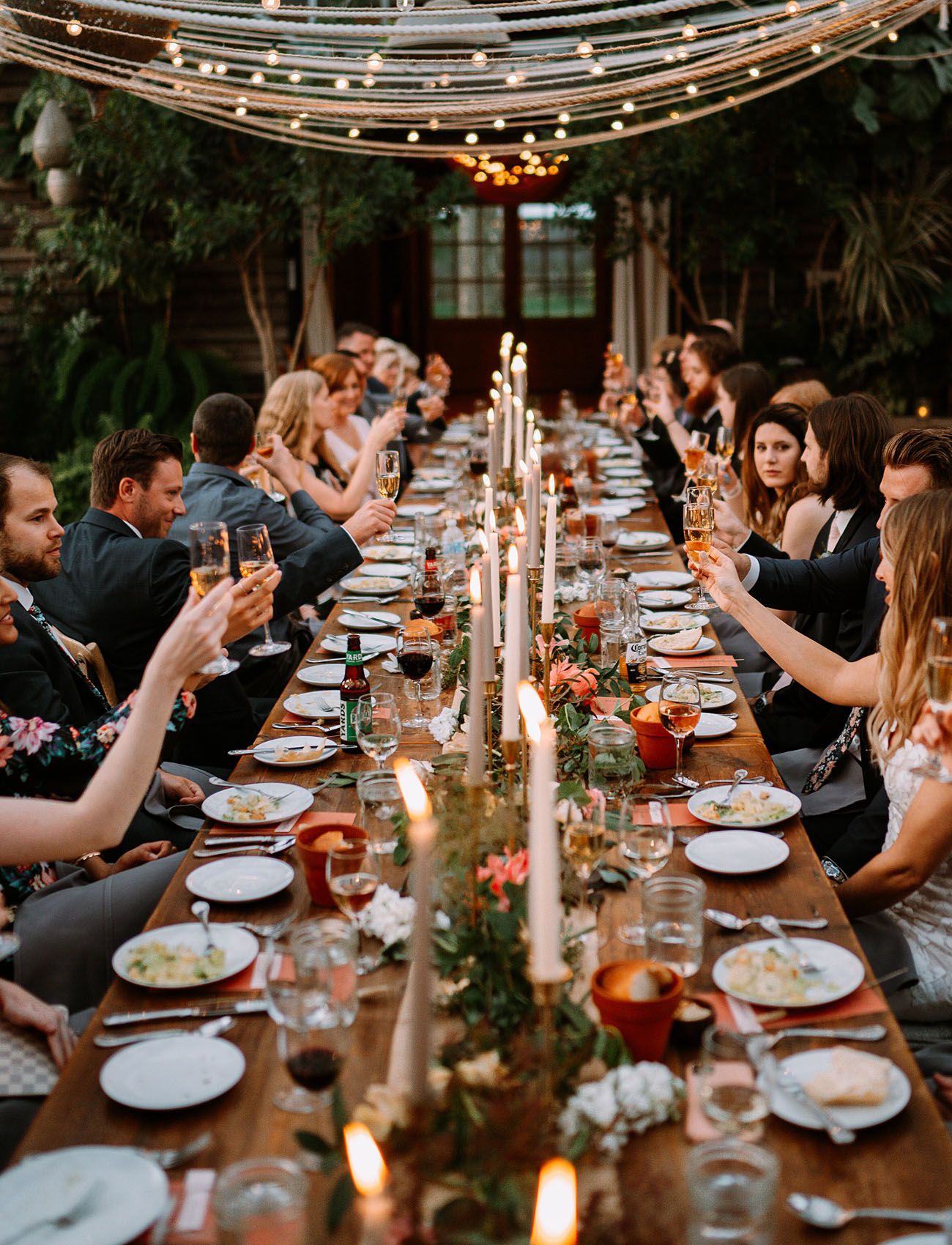
You booked a restaurant’s private room for 34 people, hired a photographer, and found a florist who works out of her garage. The wedding is eight months out, and everyone keeps telling you a guest list this small doesn’t need a planner. Then it hits you: nobody has told the restaurant when the toasts happen, who cues the first dance, or what to do if the cake shows up an hour early.
That gap is exactly what a micro wedding planner cost buys you. A micro wedding, usually 20 to 50 guests, sits in an awkward spot. It’s too structured to run itself, but too small to justify the fees a 150-person full-service planner quotes. The upside: most planners now build packages for exactly this size, and the pricing is more predictable than couples expect.
What counts as a micro wedding, and why size changes the price
The industry has loosely settled on definitions. An elopement is roughly 2 to 20 people, often just the couple and a witness or two. A micro wedding runs 20 to 50 guests. Anything above that starts behaving like a standard wedding, with a real floor plan, multiple vendor load-ins, and a timeline that can unravel in a dozen places.
Guest count matters to a planner for one blunt reason: it drives complexity, not just headcount. A 40-person seated dinner still needs a processional, a grand entrance, speeches, a cake cut, and a send-off. You get most of the moving parts of a big wedding compressed into a shorter day. What you shed is scale: fewer tables to design, one shuttle instead of three, a guest list you can actually track by name.
So the micro wedding planner cost lands below a full 150-guest event, but rarely as low as couples hope. You aren’t paying per guest. You’re paying for the planner’s day, their vendor relationships, and the hours of coordination that happen before anyone arrives.

Micro wedding planner cost ranges in 2026
Here is what real numbers look like this year, based on how planners package micro weddings. Treat these as national ranges; major metros like New York or the Bay Area run 20 to 40 percent higher.
Day-of coordination for a micro wedding typically runs $800 to $1,800. This is the product most couples actually need. The planner steps in around 30 days out, confirms your vendors, builds the timeline, and runs the wedding day itself. For a 30-guest event with three or four vendors, expect the lower half of that range.
Partial planning sits at $1,800 to $3,500. You get help sourcing and booking vendors, design guidance, and day-of execution. Couples who have a venue but no photographer, florist, or officiant tend to land here.
Full-service micro wedding planning runs $3,000 to $6,500, and occasionally more in luxury markets. The planner handles everything from concept to cleanup. For a small guest count this can feel expensive per head. Relatively few micro couples buy it unless the design is ambitious or the wedding is a destination.
All-inclusive packages bundle coordination with photography, florals, and catering for a fixed price. They run $5,000 to $15,000 total, vendors included. The coordination slice of that is usually $1,000 to $2,500; the rest is real vendor cost.
One honest caveat: some planners simply won’t quote below a minimum, often around $1,500, regardless of guest count. A 25-person wedding and a 45-person wedding take similar effort, so they price to their time, not your list.
What the fee actually includes
Couples assume they’re paying someone to be there on the day. The day is maybe a quarter of the work. A competent day-of coordinator starts weeks earlier, and the pre-work is where most of the value hides.
In the four weeks before the wedding, a coordinator collects every vendor contract, confirms arrival windows, and builds a minute-by-minute timeline. They call the venue to confirm the floor plan and whether the ceremony and dinner share a room. For micro weddings that overlap is common, and it creates a room-flip problem someone has to manage. They build a family shot list with the photographer. They sort out who holds the rings and who signs the license.
On the day, they arrive before you do, receive deliveries, place escort cards and favors, cue the processional, and keep the toasts from running 25 minutes long. Mostly they solve problems you never hear about. When the florist forgets the boutonnieres, the coordinator is the one texting a fix while you take photos.
What’s usually not included: design and styling beyond basic setup, vendor sourcing (that’s partial or full service), and errands like picking up rentals. Read the scope line by line. A cheap package that excludes rehearsal attendance or caps the day at eight hours can cost you more in stress than the difference in price. This is where cheap day-of quotes hide expensive surprises.

Why a small wedding isn’t proportionally cheaper
The math couples run in their heads goes like this: my wedding is a third the size, so the planner should cost a third as much. It doesn’t work that way, and understanding why saves a lot of frustration during quotes.
A planner’s cost is mostly time, and time doesn’t shrink linearly with guest count. Building a timeline for 30 people takes nearly as long as one for 130. Confirming four vendors instead of twelve saves some hours. But the ceremony structure, the family dynamics, the license logistics, and the day-of hours are all fixed. The wedding still eats a full Saturday of the planner’s calendar, so they can only take one booking that day no matter your size.
There’s also an opportunity-cost floor. A planner who could book a $5,000 full-service wedding on a given Saturday is giving that up to run yours. Plenty will still take the micro wedding gladly, especially newer planners building a portfolio, but they price with that tradeoff in mind.
Where you genuinely save is the vendor budget, not the planning fee. Fewer guests means less catering, a smaller floral order, a shorter bar tab, and fewer rentals. That’s where a micro wedding’s economics actually pay off. The coordination line stays firm, which is why the micro wedding planner cost surprises people who expected it to scale down with the guest list.
How to hire the right planner without overpaying
Start by being honest about which product you need. Most micro couples need coordination, not full planning. If you enjoy choosing vendors and have the time, buy day-of coordination and keep the $2,000 you’d spend on full service. If you’re planning from another city or you simply have no bandwidth, partial or full-service planning earns its fee.
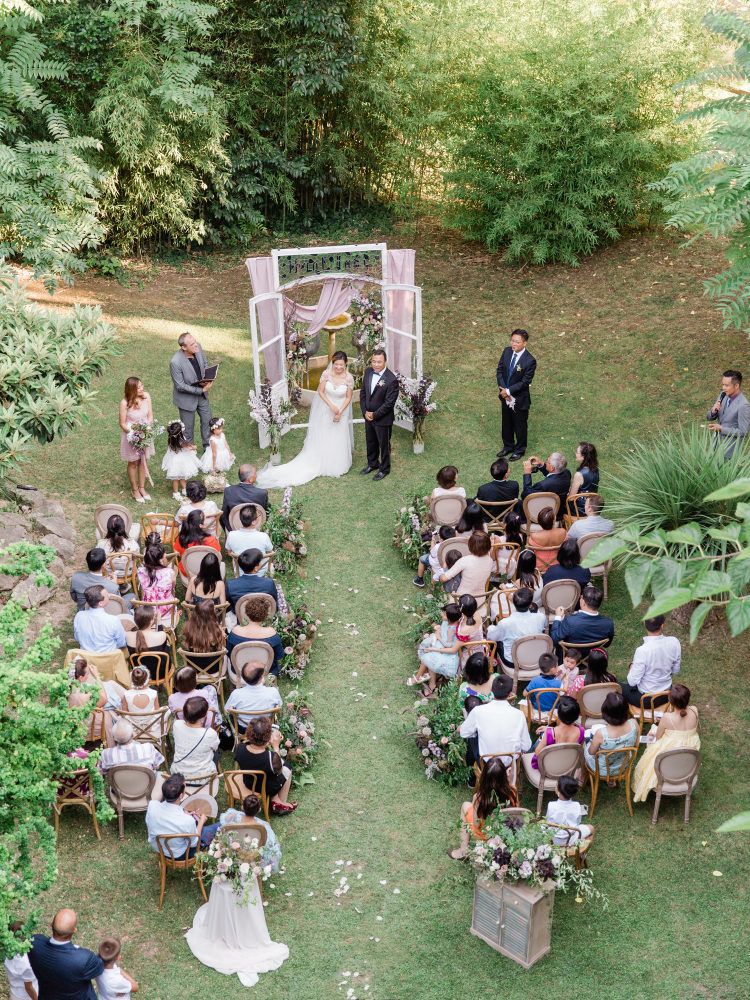
Here’s a pattern I see constantly. A couple books a 32-guest dinner at a Tuscan-style winery, hires a day-of coordinator for $1,200, and assumes that covers the rehearsal. It didn’t. The rehearsal was a separate $300 line, the venue demanded a certificate of insurance the coordinator had to chase down, and the overtime clock started at 9 p.m. sharp. None of it was hidden. It was all sitting in a scope they skimmed. Reading the contract line by line would have caught every surprise.
When you get quotes, compare scope, not just the number. Ask these directly:
- How many hours of day-of coverage are included, and what’s the overtime rate?
- Do you attend the rehearsal, and is that extra?
- When do you take over vendor communication, 30 days out or 60?
- Do you bring an assistant, and at what guest count does that kick in?
- What happens if a vendor cancels two weeks out?
A planner who answers these cleanly has run real weddings. Vague answers, or a quote with no written scope, are a warning sign. Get the deposit schedule in writing too; most planners take 30 to 50 percent to hold the date, with the balance due 14 to 30 days before the wedding.
Be skeptical of the cheapest bid. A $600 coordinator who has done four weddings may be fine for a low-stakes backyard dinner. For anything with a real timeline, you’re trusting this person to make judgment calls under pressure. Experience shows up exactly when something goes wrong.
All-inclusive micro wedding packages: worth it or not?
A growing number of venues and planners sell fixed-price micro wedding packages: a set guest count, a coordinator, photography, florals, and dinner for one bundled price. For the right couple these are a genuinely good deal. For the wrong one they’re a trap.
They work when you want simplicity over control. If choosing between five florists sounds exhausting and you trust the planner’s aesthetic, the bundle earns its keep. A $9,000 package for 30 guests, covering coordination, a two-hour photographer, a seasonal floral setup, and a plated dinner, can beat assembling the same pieces yourself. The planner has negotiated vendor rates you can’t get as a one-time buyer.
They fail when you have specific taste or an off-list vendor you love. Packages assume the planner’s preferred vendors, and swapping one out often triggers a fee or breaks the pricing entirely. Read what happens if you want your own photographer. Read the guest-count overage rate, because going from 30 to 38 people can add $600 to $1,200. And confirm whether the coordination is real end-to-end management or just a venue staffer pointing guests toward the bathrooms.
If your micro wedding is a destination event, all-inclusive packages get more attractive. A local planner’s vendor network and on-the-ground presence are worth far more than trying to coordinate a foreign country’s vendors by email.
Budgeting the whole day, not just the planner
The planner is one line on a spreadsheet. To know whether the fee makes sense, weigh it against the total. A realistic 2026 micro wedding for 35 guests, done well but not lavishly, runs $12,000 to $28,000 all in, depending heavily on city and venue. For context, The Knot’s annual Real Weddings Study has pegged the average full-size wedding above $30,000. A micro wedding saves real money, just less than the guest-count drop suggests.
Inside that budget, coordination usually represents 6 to 12 percent of the total. If you’re spending $20,000 and a coordinator costs $1,500, that’s 7.5 percent to protect the other $18,500 from falling apart on the day. Framed that way, skipping coordination to save a couple percent is the riskiest cut on the list.
Where micro couples overspend is the venue and the per-plate catering, not the planner. A $185-per-head plated dinner for 40 is $7,400, and that number moves your budget more than any coordination fee. Most couples overspend on florals here too, chasing a look built for a 200-person ballroom. A good planner will flag both and steer you toward choices that fit, which is part of why partial and full-service packages can pay for themselves.
If you want a sense of how planners structure fees before you start calling, our pricing overview breaks down flat-fee versus percentage models and where micro weddings tend to land.
What to do next
Pull three things into one place: your guest count, your venue contract, and a rough total budget. With those in front of you, decide honestly whether you need someone to run the day or plan it from scratch. For most 20-to-50-guest weddings, a solid day-of coordinator at $800 to $1,800 is the single best-value hire you’ll make, and it protects every other dollar on the sheet.
Before you sign anything, run a quick gut check on the contract:
- Does the written scope name a takeover date for vendor communication?
- Is rehearsal attendance included or billed separately?
- Is the overtime rate spelled out, in dollars, per hour?
If a planner can answer all three without hedging, you’ve probably found a professional worth booking. If you’re still weighing options across service levels, browse planners by what they actually do. That way you match the product to your real needs, not the first quote that lands in your inbox. The micro wedding planner cost you pay for good coordination is small insurance against a day you cannot redo.