You booked a venue, you have a Pinterest board with 340 pins, and you just got a quote for a planner that made you put your phone down. The package said “full service” and the number was $9,000. Then a second planner offered “partial planning” for $3,500, and now you cannot tell whether you are comparing the same job or two different ones.
You are not. The choice between full-service vs partial wedding planning shapes how much of the next year you hand over to logistics. Most couples make it blind, because nobody explains where one package stops and the other begins. After running weddings for both kinds of clients, I can tell you the line is real. The price gap is justified, and picking wrong costs more than the package itself.
What full-service planning actually covers
Full-service means the planner is involved from the day you sign until the last vendor leaves the reception. The scope is wide: budget creation and tracking, venue sourcing if you have not booked one, building your full vendor team, design and styling, contract review, payment-schedule tracking, and running the day. A good full-service planner attends or leads most of your vendor meetings, not just the catering tasting.
The distinguishing feature is decision ownership. You still approve everything. The planner researches, shortlists, negotiates, and presents options instead of handing you a checklist. Say your florist wants a 50% deposit 90 days out and your caterer wants final counts at 14 days. The planner tracks both deadlines so neither slips.

This is the right level of help for a few specific situations. Think of a 150-guest wedding spread across a dozen vendors, or anyone planning while holding down a demanding job. It also fits most weddings over roughly $40,000, where the coordination load alone is a part-time job. To see how this tier is staffed and priced, the directory’s full-service planning category lists planners who work this way exclusively.
What partial planning covers, and where it stops
Partial planning assumes you want to do some of the work yourself. You handle the early research and booking. The planner fills gaps, recommends vendors you have not found, reviews the contracts you are about to sign, and takes over coordination in the final stretch. A typical package gives you a set number of planning hours, vendor referrals for the categories you have not filled, a master timeline, and full day-of management.
Where it stops matters more than where it starts. Partial planners usually will not chase down every vendor quote. They will not build your design concept from scratch. They will not sit in on every meeting. They expect you to arrive with your venue booked and a few vendors locked. Think of it as hiring an expert to catch your mistakes and run the finish line, not the whole race.
The couples who do well with partial planning are organized, free on weekday evenings, and genuinely enjoy the process. The ones who struggle chose partial to save money. Then at month three they discovered they hate vendor research, and now have a planner contractually limited to 20 hours.
A real example from last season. A couple booked partial thinking they had it handled. Their venue’s in-house caterer folded eight weeks out. Because their planner kept vendor relationships and a few hours in reserve, she sourced a replacement at $85 per head inside a week. That one save paid for the package. It is exactly the kind of save you never see itemized in a quote.
The price gap: what each costs in 2026
Here is the part the quotes do not explain. Full-service planning in 2026 generally runs one of two ways. The first is a flat fee from about $5,000 to $12,000 in mid-size markets, climbing past $20,000 for luxury planners. The second is a percentage of total budget, commonly 12% to 18%. On a $60,000 wedding, a 15% planner costs you $9,000. That is not a markup on nothing. It reflects 200-plus hours of work spread across a year.
For context, The Knot’s annual Real Weddings Study put the average U.S. wedding around $33,000. Planner fees sit on top of that figure, not inside it. Couples forget this constantly and under-budget for the one vendor who tends to save them money everywhere else.
Partial planning typically lands between $2,500 and $5,500, depending on your market and how many planning hours are included. Day-of coordination, which people confuse with partial planning constantly, runs lower. It is often $1,200 to $2,800, because the work is compressed into the final four to six weeks.
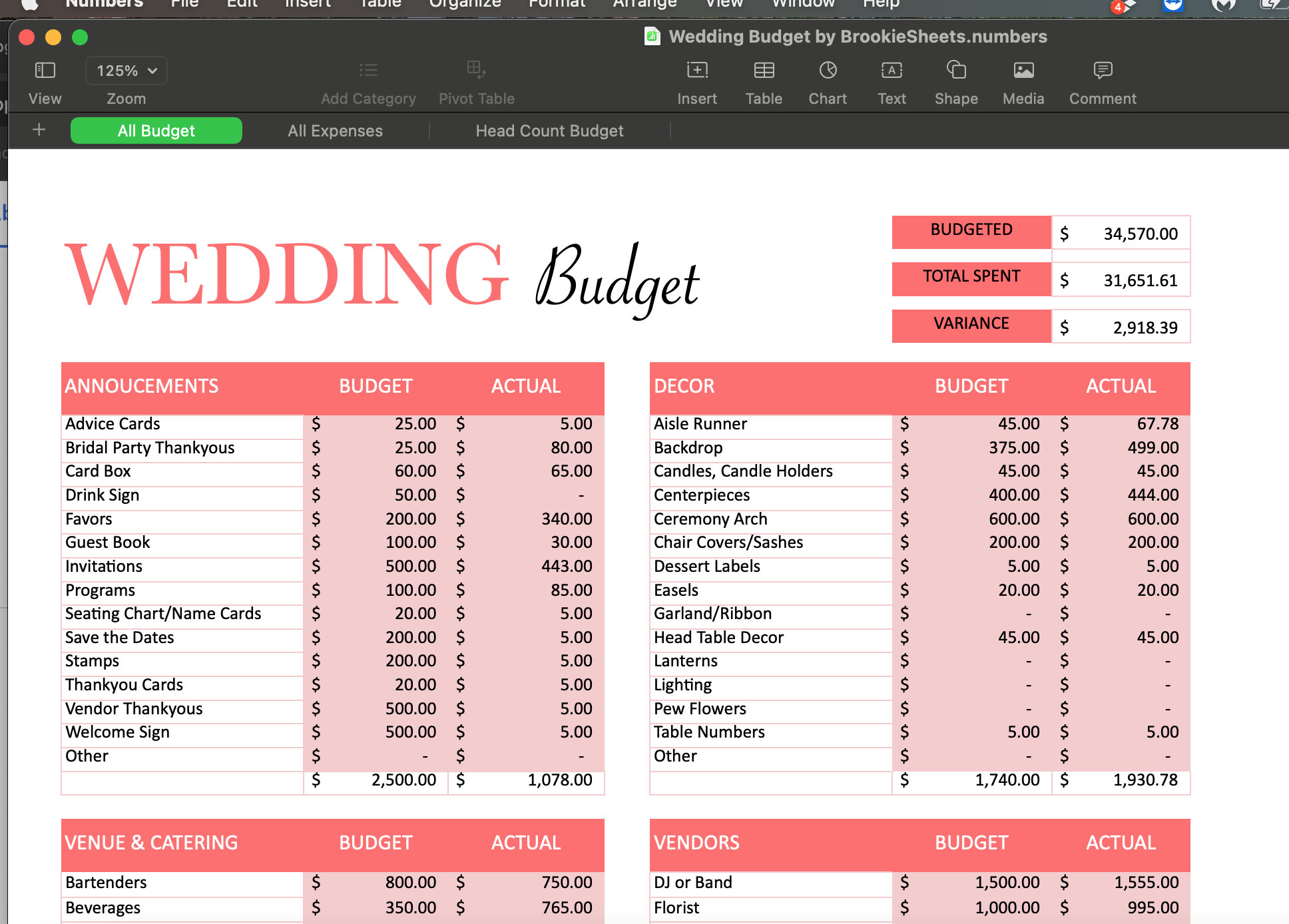
The gap between full-service and partial is rarely about greed. It is about hours and liability. A full-service planner carries the risk of every vendor relationship and every deadline for twelve months. When you compare numbers, ask each planner for their estimated hours and what happens when you exceed the included ones. A $3,500 partial package that bills $150 per hour over the cap can quietly become a $5,500 package. The directory’s pricing overview breaks down how these tiers usually get structured.
What actually drives your quote within each tier
Two planners can both call themselves full-service and quote $6,000 apart. The variables are guest count, market, season, and how much design work you want. A 200-guest wedding with three events runs more than an 80-guest dinner, because the staffing and timeline are heavier. Planners in major metros charge 30% to 50% above small-market rates for the same scope. I have seen an identical 120-guest scope quoted at $5,500 in a mid-size market and $8,800 an hour’s drive away in the nearest big city.
Date matters more than couples expect. A Saturday in peak season, say September or October, often carries a premium of $500 to $1,500 over a Friday or a winter date, because the planner can only take so many weddings a weekend. Design-heavy weddings cost more too. Custom florals, rentals, and a built styling concept can push a $6,000 package to $10,000 once the planner is sourcing and managing those elements.
Add-ons are where partial quotes drift upward. Extra meetings, RSVP management, room-block coordination, and welcome-event planning are commonly billed at $75 to $200 an hour. Ask which of these your quote includes. Two partial packages at the same headline price can hide a $2,000 difference once you add the work you actually need.
Full-service vs partial wedding planning: the honest test
Forget budget for a second and answer three questions. How many vendors do you still need to book? How many hours a week can you realistically give this between now and the wedding? And how much do you actually want to make these decisions yourself?
Say you have booked nothing but a date, need ten-plus vendors, and work fifty-hour weeks. Partial planning will collapse under you by spring. You will burn through your included hours on research the package was never meant to cover. Full service exists for exactly this situation. Trying to save $4,000 by going partial usually costs you more in stress, and in the worse vendors you book without expert eyes on the contracts.
Flip it around. Maybe you already have your venue, photographer, and caterer locked, you enjoy the design side, and you have weekday evenings free. Then partial planning is the smarter spend. You are paying for expertise at the moments it matters: a contract review that catches a missing force-majeure clause, a referral to a florist who fits your budget, and a planner who runs the rehearsal and the day so you are not texting vendors in your dress.
Where couples get burned choosing wrong
The most expensive mistake I see is the couple who buys partial planning to save money, then treats their planner like a full-service one. They forward every vendor email. They ask the planner to negotiate quotes the package does not include. They run out of hours by month four. Now they either pay overage rates or finish the hardest stretch with no help. They would have spent less buying full service from the start.
The opposite mistake is quieter but real. An organized couple with a 60-guest wedding, a venue that includes a coordinator, and three vendors total does not need a $9,000 full-service contract. They are paying for decision-making they would rather do themselves. For a small, simple wedding, partial planning or even strong month-of coordination covers the actual need.

The third trap is assuming the labels mean the same thing everywhere. They do not. One planner’s “partial” includes unlimited email and three in-person meetings. Another’s includes eight hours total. Read the scope of work line by line before you compare two quotes, because the word on the package tells you almost nothing about the hours behind it.
One more pattern worth naming. A couple hires full service, then quietly does half the work themselves because they cannot let go. They research vendors the planner already vetted. They second-guess the timeline. They are paying premium rates for a service they keep overriding. If you are a control-keeper by nature, be honest about it before you sign, because the friction costs you the value you paid for.
Day-of coordination is not partial planning
This confusion costs couples real money, so it gets its own section. Day-of coordination, more honestly called month-of coordination because no competent planner shows up cold on the wedding day, starts four to six weeks out. The coordinator collects your contracts, builds the final timeline, confirms vendors, runs the rehearsal, and manages the wedding day. That is it. They are not finding you vendors in March or reviewing contracts in January.
Partial planning includes day-of coordination but adds months of intermittent help before it: vendor referrals, contract review, design input, and check-in calls across the engagement. If a planner quotes you “partial” at a day-of price, ask what months of work are actually included. The number may be telling the truth while the label is not.
For a couple who has confidently booked everything and just wants a professional to execute the day, day-of coordination at $1,200 to $2,800 is the correct and cheaper answer. Buying partial planning when you only need execution means paying for planning hours you will never use. The skill is matching the package to the work that genuinely remains, not to the tier that sounds most thorough.
Questions to ask before you sign
Before you sign either contract, get specific answers in writing. The vague reassurances on a sales call evaporate the moment a vendor misses a deadline, so push for detail while you still have leverage.
- How many total hours or meetings are included, and what is the rate if I exceed them?
- At what point before the wedding do you take over vendor communication?
- Do you review and flag terms in vendor contracts, or just collect them?
- Who is physically present on the wedding day, you or an associate, and how many staff?
- Will you provide a written timeline and vendor contact sheet, and by when?
- What is your cancellation and postponement policy, and is the deposit refundable?
That last one matters more than couples expect. A standard planner contract takes a 30% to 50% non-refundable deposit at signing, with the balance due 30 to 60 days out. If your planner’s contract is silent on postponement, you have no protection when life forces a date change. Ask before you sign, not after.
When you read two quotes side by side, the deciding factor in full-service vs partial wedding planning is almost never the headline price. It is the match between included hours and the work you actually have left. Map your remaining vendors and your free hours honestly, then pick the tier that covers the gap. For a clearer sense of how planners structure these packages, the how-it-works guide walks through what to expect at each tier.
Do one thing this week: list every vendor you still need to book and every hour you can give this per week. If that list is long and those hours are few, stop pricing partial packages and start talking to full-service planners. The cheaper contract is only cheaper if it covers the job in front of you.