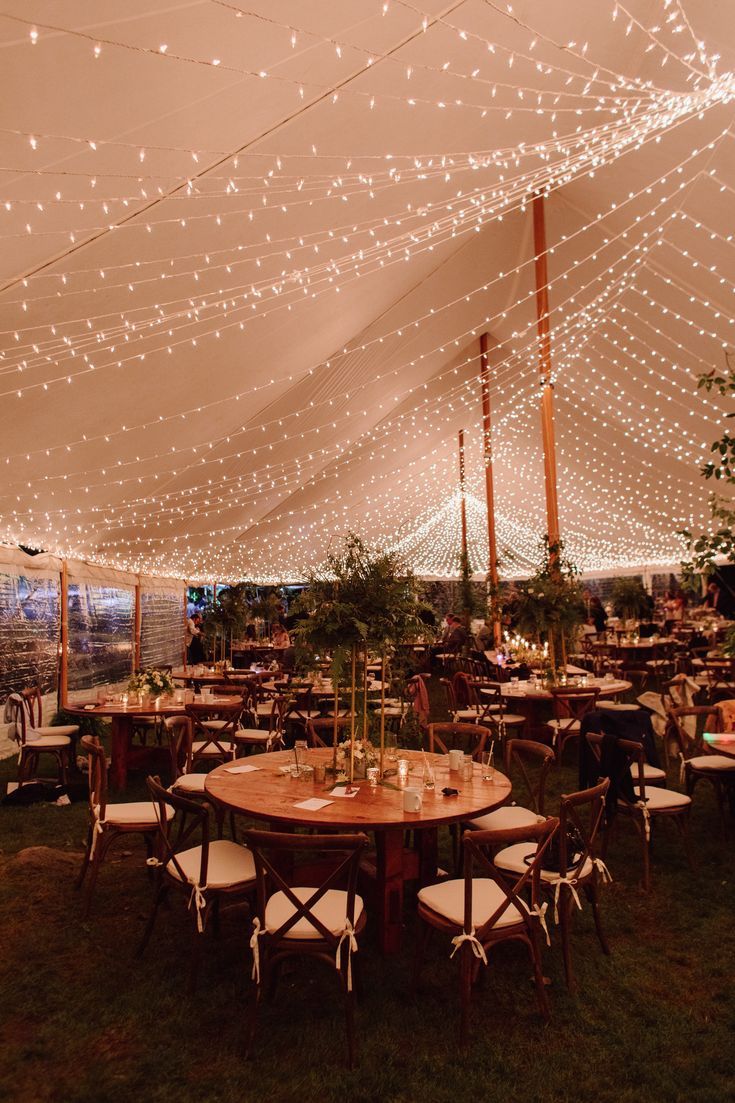
Your aunt offered the two acres behind her farmhouse for free, and the whole family agreed it beats a $9,000 venue rental. Then you started pricing tent rentals, generators, and portable restrooms, and the free venue stopped feeling free. A backyard wedding is not a smaller version of a venue wedding. It is a venue you build from scratch, on a property that was never designed to hold 120 people. That is exactly why the backyard wedding planner cost catches so many couples off guard.
The short answer: expect to pay between $1,800 and $9,000 for planning and coordination on a home wedding, depending on how much of the build you hand off. That range runs wider than a hotel wedding because there is simply more to manage. Below is what drives the number, what each service tier covers, and how to tell which one you actually need.
Why a backyard wedding costs more to plan, not less
At a real venue, a lot of infrastructure is invisible because it already exists. Bathrooms, a commercial kitchen, parking, level ground, power outlets rated for catering equipment, a rain plan, and usually a staff coordinator who knows where the electrical panel is. A backyard has grass and a garden hose.
That means a home wedding planner is not just building a timeline. She is sourcing a tent that can span 40 by 60 feet, confirming the generator can carry the caterer’s convection oven plus the band’s amps without tripping the load, and figuring out where 60 cars park without blocking a neighbor’s driveway. A venue wedding might involve eight vendors. A backyard wedding often runs twelve to sixteen, because every service the venue used to bundle now gets contracted separately.
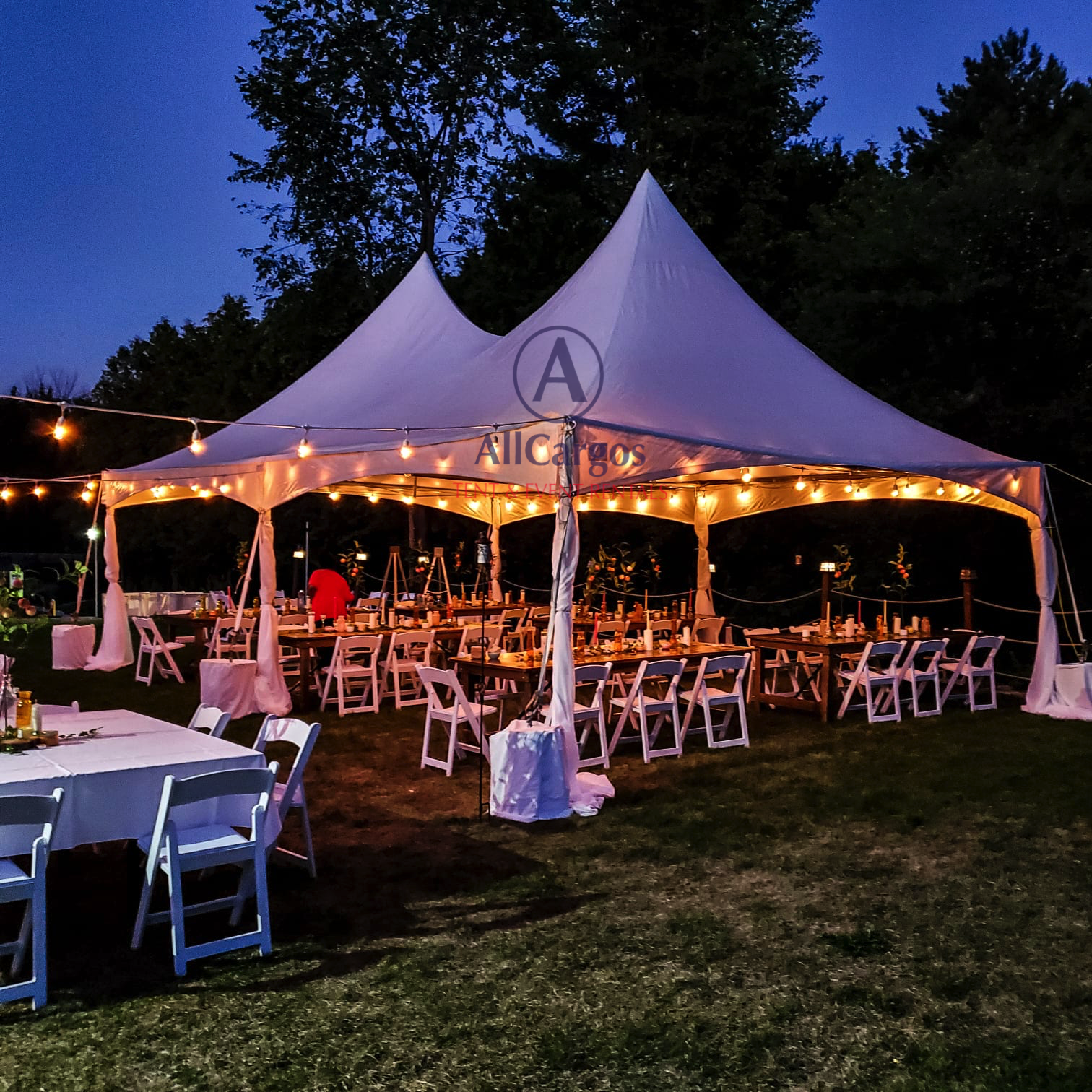
More moving parts means more hours of coordination, more contracts to read, and more site logistics to babysit. Planners price for that. A coordinator who charges $1,600 for a straightforward hotel ballroom might quote $2,800 for the same date at a private residence, and the extra $1,200 is not a markup. It pays for the tent delivery window, the rental count, the restroom placement, and the fact that if it rains there is no lobby to move 120 guests into.
Backyard wedding planner cost by service tier in 2026
Pricing tracks the service tier, not the pretty details. Here is what the backyard wedding planner cost looks like across the three common levels in 2026:
- Day-of coordination (really month-of): $1,500 to $3,000. The planner steps in around 4 to 6 weeks out, confirms your existing vendors, builds the timeline, and runs the wedding day itself. You do the booking and the rental math.
- Partial planning: $3,000 to $5,500. She joins earlier, helps source the tent, rentals, and restrooms, reviews contracts, and manages the back half of the process.
- Full-service planning: $5,500 to $9,000, or 12 to 18 percent of total spend on higher budgets. She runs the entire build from empty lawn to lit dance floor, including design, layout, and every rental contract.
Geography moves these numbers. In a major metro like Los Angeles, Chicago, or the DC suburbs, add 20 to 40 percent. In a smaller market, a skilled coordinator might run the day for $1,200. Guest count matters too. A 40-person backyard dinner and a 150-person tented reception are different animals, and no honest planner quotes them the same. National averages, like the ones tracked in The Knot’s Real Weddings Study, still understate home weddings, because the infrastructure line items never show up on a traditional venue invoice.
A real example from last season: a couple in the Hudson Valley hosting 110 guests booked partial planning at $4,200. Their planner spent most of that fee on the rental order and two site visits, one to measure the lawn for the tent and one to walk the caterer through the prep space. The couple handled their own florals and music. Had they gone full-service, the quote would have landed near $7,500, because design and vendor management at that scale is another 40 hours of work.
One thing to watch. Some planners quote a low base fee, then bill rental sourcing and site visits as add-ons at $75 to $125 an hour. Ask whether the quote is all-in or whether site logistics are metered. On a home wedding, that distinction can swing the final invoice by a couple thousand dollars.
Full-service, partial, or day-of: which tier a home wedding needs
The honest test is not your budget. It is how many of these questions you can answer without Googling. How many amps does your caterer need, and can the house panel supply it? How many restroom stalls do 120 guests require for a five-hour event? What is the tent company’s rain-date and wind policy? If your reaction to those is a blank stare, you want more planning, not less.
A couple hosting 40 guests for a seated dinner in a landscaped backyard with existing power and two indoor bathrooms can often get by with day-of coordination. The build is small. The infrastructure mostly exists. You mainly need someone to run the timeline so you are not directing the caterer in your own dress.

A couple hosting 120 guests on raw acreage with no bathrooms, no parking plan, and a tent that has to be trucked in wants partial or full-service planning. Somebody has to own the rental order, and a rental order for a backyard wedding is not a short list. Tent, sidewalls, flooring or turf protection, tables, chairs, linens, china, glassware, a bar, lighting, heaters or fans depending on the season, a generator, and the restroom trailer. Miss one line item and you find out at 4 p.m. on the wedding day, which is the worst possible time to learn your caterer has nowhere to plug in.
The hidden costs a good planner catches before you pay twice
The planning fee is not the only backyard number that surprises people. A planner earns her fee partly by keeping you from expensive mistakes on the rentals themselves. The line items couples routinely forget tend to be the unglamorous ones:
- A restroom trailer, not a single porta-potty
- A load-rated generator and someone to calculate the draw
- Flooring or turf protection for the high-traffic zones
- A dumpster and an end-of-night cleanup crew

Restrooms are the big one. A single portable toilet is a construction-site solution, not a wedding solution. A restroom trailer with running water, real sinks, and climate control runs $1,200 to $3,500 for a weekend, and the nicer ones book out three to four months ahead in peak season. Guests remember bad bathrooms. Plan for one stall per 35 to 50 guests.
Power is the second. A residential circuit cannot run catering equipment, a band, string lighting, and a coffee station at once. You will trip the breaker mid-toast. A generator rental runs $300 to $900 for the day, and someone has to calculate the load and place it far enough from the tent that guests do not hear it hum through the vows.
Then there is the ground itself. Lawns get chewed up by tent stakes, heels, and foot traffic. Some couples end up re-sodding a section after the wedding, a $500 to $1,500 post-event cost nobody quotes upfront. A planner who has run home weddings will suggest flooring or a turf-protection layer in the high-traffic zones, and will tell you where the tent stakes cannot go because of the septic field or the sprinkler lines.
Cleanup is the cost that hits after everyone leaves. Rental companies collect the tables and the tent, but the trash, the recycling, and the trampled lawn are yours. Budget $400 to $600 for a dumpster and a morning-after crew, or plan to spend your first married Sunday hauling bags to the curb. A good planner writes this into the timeline so it does not become a family argument at midnight.
Permits, neighbors, and the rules nobody mentions
Here is the part couples skip until a code officer shows up. Many municipalities require a permit for a tent over a certain size, typically anything above 400 square feet, and a separate permit if you are serving alcohol to a large group on residential property. Noise ordinances are real. In a lot of suburbs amplified music has to stop by 10 or 11 p.m. A neighbor complaint at 10:15 can end your reception early, and there is no venue manager to smooth it over.
A planner who works home weddings knows to check the local tent permit threshold, whether your county requires a temporary food-service permit for the caterer, and whether a private-property liquor liability policy is needed. A one-day event insurance policy runs $150 to $300 and often includes host liquor liability, which matters more at a house than at a bar-licensed venue where the liability sits with the venue. If you are serving alcohol on your aunt’s property and a guest drives off drunk, that exposure can land on the homeowner. That is not a detail to discover after the fact.
The neighbor conversation is worth having in person, early. Good planners will tell you to warn the people on both sides, mention the end time, and sometimes invite them over for a drink so the loud Saturday feels like a shared event rather than an ambush. It costs nothing and prevents the one phone call that ruins the night.
What to ask a backyard planner before you sign
Not every planner has done a home build, and a venue specialist can be genuinely out of her depth on a lawn. Before you sign, ask how many private-residence weddings she ran last year and what went wrong at them. The honest answer is never “nothing.” You want the planner who tells you about the generator that failed and how she had a backup number on speed dial.
A few questions separate the experienced from the hopeful:
- What size tent and how many restroom stalls would you order for our guest count?
- What is your rain plan for this specific property, and when do we make the call?
- Which of your preferred rental and generator vendors have you actually used at a home wedding?
- Is your fee all-in, or are site visits and rental sourcing billed hourly?
- Who handles the permit paperwork, us or you?
If the answers are specific and fast, she has done this. If they are vague, keep looking. You can see how our directory sorts planners by specialty on the how it works page, and the pricing breakdowns give you a sense of what each tier runs before you reach out. Our FAQ covers the common questions about deposits and contracts.
When you can genuinely skip the planner
Some backyard weddings really do not need one, and it is worth being honest about that. If you are hosting 25 to 40 people, the caterer is full-service and brings their own staff, you are renting a small tent or none at all, and someone reliable who is not in the wedding party can run the timeline, you can skip professional coordination and put that $2,000 toward food or photography.
The line is roughly this. Under about 50 guests with existing infrastructure, a well-organized couple with a capable friend can manage. Above 75 guests, or on raw land, or with a tent and rentals and power to source, the coordination becomes a part-time job for two months, and the person doing it should not be the one getting married. A day-of coordinator at $1,800 who keeps your caterer, your band, and your rentals aligned is not a luxury at that scale. She is the reason you enjoy your own wedding instead of directing traffic in it.
Before you book anything else, price the full rental package first: tent, restrooms, power, tables, chairs, and flooring. Once you see that the “free” backyard runs $12,000 to $20,000 in infrastructure at 120 guests, the backyard wedding planner cost stops looking like an expense and starts looking like the person who keeps that $20,000 build from falling apart on the one day it has to work.