
You booked your planner 14 months out, paid a $2,500 retainer, and now it is eight weeks before the wedding and she has gone quiet for three weeks. Emails sit unanswered. Two vendors have called you directly because they cannot reach her. You are staring at your inbox wondering whether you are overreacting or whether you need to end this. That gut-check is where most couples freeze, so let’s be specific about how to fire a wedding planner cleanly, what you can recover, and how to do it without torching the wedding you are still paying for.
Firing a vendor mid-planning is not the disaster couples fear it is, and it happens more than the industry likes to admit. What separates a survivable exit from an expensive one is whether you move deliberately: read the contract, document the failure, protect your deposits, and line up a replacement before you send the termination email. Do it in that order and you keep your date. Do it in a panic and you can lose both your money and your vendor relationships in the same afternoon.
Signs It’s Actually Time to Fire Your Wedding Planner
Not every frustration justifies firing someone. A planner who takes 48 hours to reply in the slow season is normal. A planner who disappears for three weeks at 60 days out is not. Before you decide how to fire a wedding planner, separate style friction from genuine breach.
The clear-breach signals are concrete:
- A caterer emails you a past-due notice for a payment your planner was supposed to make.
- The timeline or floor plan she contractually owed by a stated date still does not exist.
- She goes unreachable for multiple business days during the final 90-day stretch, when every decision is time-sensitive.
- Vendors tell you, unprompted, that they cannot get answers from her.
- A deposit you paid her to pass to the florist never actually reached the florist.
The softer signals are real too, but you handle them differently. You feel talked over. Her aesthetic keeps overriding yours. She is slow but not absent. Those are conversations, not terminations, and a direct meeting fixes most of them. Fire someone for breach and inaction, and renegotiate the rest.

One honest test: write down the three specific things that have gone wrong, with dates. If you can fill that list in two minutes, you have a real problem. If you are reaching and reaching, you are probably dealing with a personality mismatch that a blunt phone call resolves faster than a lawyer ever could. I watched one couple fire a planner over bad vibes at 45 days out, then pay three grand to replace a coordinator who, it turned out, had done the job fine; the vibes were pre-wedding nerves, not a breach. Do the two-minute list before you do anything you cannot undo.
Read Your Contract Before You Do Anything
Your leverage lives in the contract you signed, so open it before you write a single angry sentence. Four clauses decide how much power you actually hold:
- The termination clause. A well-written planning agreement spells out how either party ends the arrangement, how much notice is required, and what happens to fees already paid. Some let you terminate for cause with nothing further owed if the planner failed to perform; others bind you to the full contracted fee no matter what.
- The refund and retainer language. Most planners label the upfront payment a non-refundable retainer precisely so it survives cancellation. A non-refundable $2,500 retainer is generally gone if you walk, unless you can prove the planner breached first.
- The scope of work. To argue breach, you have to show she did not do what she promised. If the contract lists final vendor confirmations 30 days out and she skipped them, that line is your evidence. Vague scope cuts both ways: it is harder for her to prove she performed, and harder for you to prove she did not.
- The dispute clause. Some agreements require mediation before you can file in small claims, and skipping a required step can sink your refund later.
Understanding what a normal wedding planner payment schedule looks like helps you judge whether what you signed was standard or quietly predatory. Read all of it, twice. The difference between a $2,500 write-off and a $2,500 refund is often one sentence you skimmed past when you were happily signing 14 months ago.
What You Can Actually Recover
Here is the uncomfortable truth: if your planner did most of the work and you are leaving over style or slow replies, you will likely recover little. Retainers are structured to be kept. If she genuinely breached, meaning she stopped working, missed contractual deliverables, or mishandled your money, you have a real claim to fees paid forward and possibly the retainer too.
Work the math on what is actually at stake. Say you signed a full-service contract for $6,000, paid a $2,500 retainer plus a $1,500 second installment, with $2,000 due 30 days out. You are 60 days out and she has vanished. Stop the $2,000 payment immediately, because paying it funds a service you are not receiving. The fight then becomes whether you recover any of the $4,000 already paid, and if you documented the breach, you have grounds to demand a partial refund for the undelivered final phase.

Document everything before you confront her. Screenshot the unanswered emails with timestamps. Save the vendor messages that show she went dark. Keep a short written log: ‘June 2, emailed re: final timeline, no reply. June 9, followed up, no reply. June 12, caterer emailed me directly saying planner unreachable.’ That record is what turns ‘I feel let down’ into ‘here is documented non-performance,’ which is the language that gets deposits back, whether through a firm demand letter or a small-claims filing under your state’s limit, often $5,000 to $10,000.
Realistically, most couples negotiate a partial refund rather than litigate. A planner who knows she dropped the ball will often return 30 to 50 percent to avoid a public dispute and a one-star review, especially if you raise it calmly instead of threatening her in the first email. If a calm ask stalls, a one-page demand letter that cites the breached clause and sets a 14-day refund deadline usually does more than any threat; planners settle fast once they see you have the paper trail to back it up.
How to Fire a Wedding Planner Without Torching the Wedding
Sequence matters more than tone. Do not send the termination message until you have done two things: secured your documentation, and ideally lined up who fills the gap. Firing first and scrambling second is how couples end up with no planner and a wedding in six weeks.
Keep the actual firing in writing, short, and factual. Use email, not a phone ambush, so you have a record. State that you are terminating the agreement, cite the specific failures with dates, reference the relevant clause, and say what you expect on fees and the handoff of your files. Something like: ‘Per section 7 of our agreement, I am terminating our contract effective today due to missed deliverables on May 15 and repeated non-response since May 20. Please send all vendor contracts, the current timeline, floor plan, and guest documents by Friday, and confirm the refund of the $2,000 final installment not yet due.’
Request your assets explicitly: the vendor contacts, signed contracts, deposits paid on your behalf, timeline, layout, and any design files. A professional hands these over even on the way out, so get them in your possession before goodwill evaporates.
Then protect your vendor relationships. Your florist, caterer, and venue do not need the drama, but they do need a new point of contact. A brief, neutral note works: ‘We’ve made a change on the planning side. Going forward, please copy me directly and I’ll introduce the new coordinator shortly.’ Vendors have seen this a hundred times. Stay gracious and they will bend over backward to keep your day on track.
Finding a Replacement on Short Notice
The closer you are to the date, the more your needs shift from planning to execution. At 90-plus days out, you may still want a partial planner to rebuild momentum. Inside 60 days, what you usually need is a strong coordinator to carry the existing plan across the finish line, not a designer to reimagine it.
Be honest with candidates about the timeline and the mess. A skilled day-of coordination pro can absorb a mostly-built wedding in three to four weeks if your documentation is decent, and many take last-minute rescues at a premium, often $1,800 to $3,500 depending on your market and how much cleanup the last planner left behind. According to WeddingWire’s planner cost research, fees swing hard by region, which is exactly why rescue quotes vary so much from one coordinator to the next.
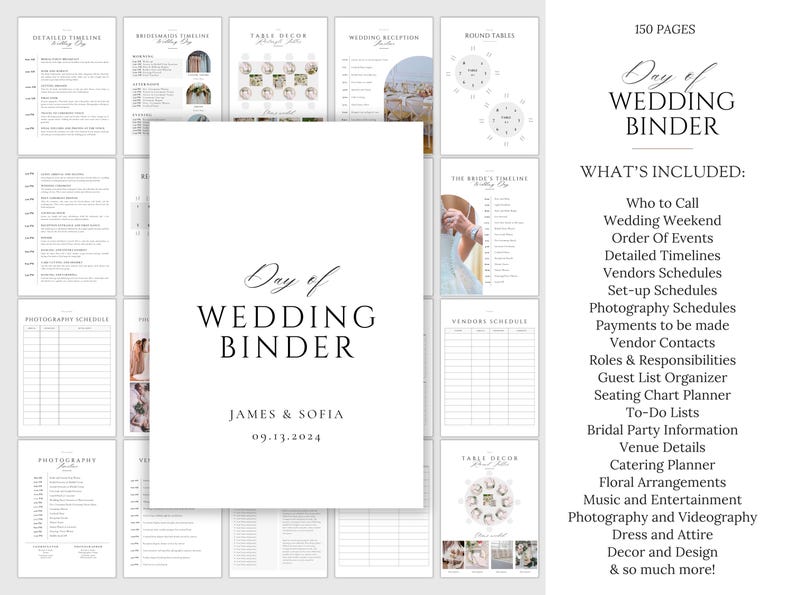
When you interview replacements, lead with the rescue reality. Ask how many weddings they have taken over mid-stream, how fast they can audit your vendor contracts, and what they need from you in week one. If the wedding is larger or still needs real building, a full-service planner or a month-of coordinator may fit better than pure day-of help. Whatever you choose, hand over your documentation on day one and let them tell you what is missing. A good rescue planner finds the gaps you did not know existed, like the linen order the first planner never actually placed.
When Firing Is the Wrong Move
Sometimes the smarter play is to fix the relationship, not end it. Firing costs you money, momentum, and institutional knowledge. Your current planner already knows your vendors, your venue’s quirks, and your family dynamics, and starting over means someone learns all of that from scratch on a shorter clock.
If the core problem is communication rather than competence, ask for a reset meeting first. Put your specific concerns in writing, propose a fixed check-in cadence such as a 20-minute call every Monday, and set a clear deadline for the overdue deliverables. Many planners who went quiet were overbooked, not negligent, and a direct ‘here is what I need and by when’ conversation snaps them back. You keep the $2,500 you already spent and the relationships already built.
Firing is the right move when you have documented non-performance, missing money, or a planner who is unreachable while time-sensitive decisions pile up. It is the wrong move when you are two months out, mildly annoyed, and about to trade a slow-but-functional planner for the chaos of finding a stranger during peak season. Weigh the switching cost honestly, because sometimes the devil you know, held to a written standard, gets your wedding done better than the gamble of starting over.
The whole point of learning how to fire a wedding planner is to do it on your terms instead of in a panic. If you decide to part ways, act this week rather than next: pull your contract, write down your three dated failures, and send one calm termination email. Then start interviewing replacements the same day, because on a wedding timeline the cost of waiting is measured in vendors you can no longer rebook.