
You have never run a wedding. You have no portfolio. The closest you have come is planning your cousin’s rehearsal dinner. You still want to do this for a living. Here is the good news: wedding planning has almost no gatekeeping. No license, no mandatory degree, no exam stands between you and your first paying couple. The hard part is not getting permission. It is proving you can do the job.
This is a guide to learning how to become a wedding planner with no experience. It is written for someone starting from zero. Forget the fantasy where you book a $60,000 wedding in month three. The real path is slower. Expect the first free events, the first $800 coordination job, and the year it takes before referrals start feeding themselves.
Do you actually need certification or a degree?
No. No state requires a license to call yourself a wedding planner. None of the good planners I know got hired because of a certificate on the wall. Couples ask about your last three weddings, not your credentials. A program like a Certified Wedding Planner course or an AACWP membership still has a place. It can shorten your learning curve if you have genuinely never seen how a wedding runs behind the scenes. You are paying for structure and a vocabulary, not a license.
Expect to spend between $600 and $2,500 for a reputable online certification, and treat it as optional. If you learn by doing, skip it. Put that money toward a good contract template, liability insurance, and a website instead. We broke down whether the credential earns its keep in our take on wedding planner certification. The short version: it helps the anxious beginner more than it helps the client.
One caveat on the paperwork side: many certification programs bundle a starter contract and a planning-timeline template. If a $700 course saves you from drafting those from scratch, the math can work. Just do not expect the certificate itself to win you a single booking, because no couple has ever asked to see mine.

What you cannot skip is fluency in how a wedding day actually flows. You should understand why the photographer wants a first look at 3:15 and why the caterer demands a final headcount 10 days out. And when the officiant is stuck in traffic 15 minutes before the ceremony, you are the one who fixes it. That fluency comes from being in the room, which is where the real first step lives.
Get in the room before you get paid
The fastest way in is to assist someone who is already busy. Established planners are perpetually short an extra pair of hands on Saturdays in peak season. Most would rather train a reliable beginner than pay a temp agency. Offer to work a wedding as a day-of assistant for free, or for $15 to $20 an hour. Be explicit that you are there to learn and to make their day easier, not to poach their clients.
One season of this changes everything. You will fold 300 napkins, chase down a boutonniere for the wrong groomsman, and watch a lead planner defuse a mother-of-the-bride meltdown without raising her voice. You will see exactly how a timeline holds together, or how it falls apart. Three or four weddings as an assistant teaches you more than any course. It also gives you the one thing every beginner lacks: real stories about weddings you have actually worked.
Here is how to land those first assisting gigs:
- Email 15 to 20 local planners directly, not through a contact form, offering weekend help during their busy months.
- Tell venue coordinators you are available as day-of support, since they field constant requests from couples who booked no planner.
- Sign up with a catering or event-rental company that staffs weddings, so you see the vendor side too.
- Say yes to the unglamorous jobs: setup crew, coat check, greeter. You are buying reps, not a title.
Build a portfolio when you have nothing to show
The chicken-and-egg problem is real. Couples want to see weddings you have done, and you cannot do weddings until couples hire you. You break the loop by manufacturing proof.
Start with the people around you. Offer to coordinate a friend’s small wedding, a sibling’s backyard ceremony, or a coworker’s vow renewal at cost. Even a 12-guest backyard vow renewal counts, as long as you ran the timeline and managed the vendors. Photograph everything: the timeline you built, the vendor lineup, the setup, the tiny details, the couple mid-ceremony. Ask for a two-sentence testimonial while the day is still fresh in their memory. Three real events, even tiny ones, give you a portfolio.
Styled shoots are the other lever. A styled shoot is a staged, fake wedding organized purely for photos, where vendors team up to build content everyone can use. As the coordinator, you pull the team together, set the timeline, and run the day. You walk away with images that look like a $40,000 wedding. The photographer gets a gallery, the florist gets tear sheets, and no real couple paid a dime. Post the results, tag every vendor, and you have both content and relationships.
Organizing a styled shoot is its own small project. Expect to spend $200 to $400 on rentals and florals if vendors do not fully donate. Give yourself six weeks to line up a venue, a photographer, models, and a hair-and-makeup artist. It is unpaid work, but it doubles as a rehearsal for running real vendors.
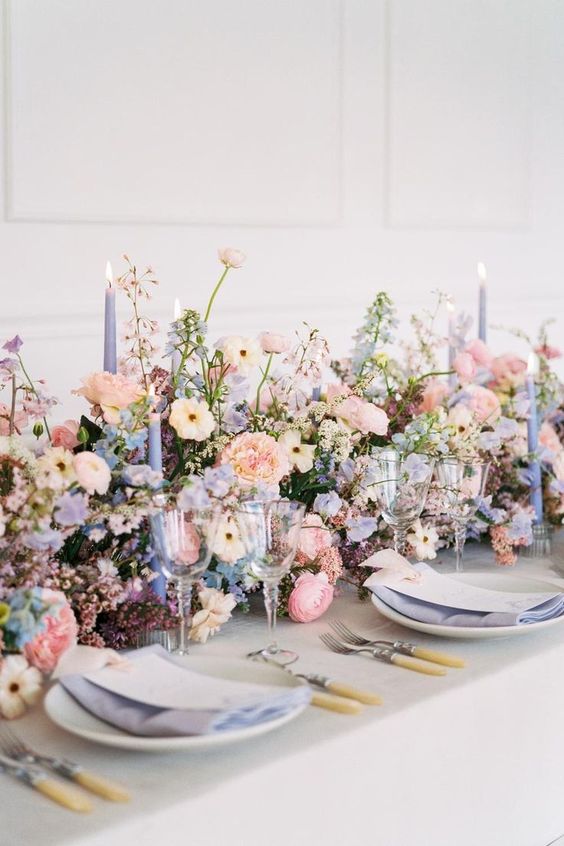
Be honest about how you present this work. Do not imply a styled shoot was a booked client wedding. When a couple asks, say plainly that you have coordinated three real events and collaborated on styled shoots to develop your eye. Planners who inflate their early resume get caught. The wedding industry runs on referrals, which means your reputation is the entire business.
What to charge when you are brand new
Underpricing is the most common beginner mistake, and overpricing is the second. You are not worth a veteran’s $4,500 coordination fee yet. But working for free past your first two or three portfolio events trains couples to see you as worthless.
Couples are not short on budget: the average U.S. wedding now tops $30,000, according to The Knot’s annual cost survey. A sane on-ramp for day-of coordination is to start around $600 to $900 for your first few paying clients. Move to $1,200 to $1,800 once you have five or six weddings and reviews to show. Full-planning packages are harder to sell early, because couples handing over their whole wedding want a track record. Most beginners start with coordination and grow into planning. If you do land an early full-planning client, a flat fee of $2,000 to $3,500 is more defensible than a percentage when your name is unknown.
Write the price into a real contract from your very first paid job. It should name the specific services, the planning hours, the day-of hours, the payment schedule, and a cancellation policy. A common structure is a 30% to 50% retainer to book, with the balance due 30 days before the wedding. Here is a clause beginners forget: an overtime rate. Say the reception runs long and you stay two extra hours. A line setting $75 per additional hour gets you paid, not guilt-tripped into free labor. Study what belongs in a wedding planner contract before you send anything. The contract is what protects you when a couple’s expectations drift past what you agreed to. Never work a wedding on a handshake, not even for your best friend.
How to become a wedding planner with no experience for under $2,000
Wedding planning is one of the cheapest service businesses to launch. That is both its appeal and the reason it is crowded. You can genuinely start for under $2,000, so here is where that money goes.
Budget for liability insurance first, because more venues now require your planner to carry it. A general liability policy runs roughly $350 to $600 a year for a solo planner. A venue may email you a certificate of insurance request two weeks out. If you cannot produce one, you do not work that wedding. Next comes a business registration or LLC filing, usually $50 to $500 depending on your state. A simple website and a professional email address will run a few hundred dollars a year. Contract templates and a client-management tool like HoneyBook or Dubsado add another $20 to $40 a month.
Skip the expensive stuff early. You do not need a logo designer, an office, or paid ads in year one. A $12-a-month website builder and a free invoicing tool cover you until the bookings justify more. Spend on insurance and your kit, not on branding nobody will remember.
That emergency kit is not optional, and building it well marks you as someone who has been on a wedding floor. Mine holds safety pins, a sewing kit, stain remover, double-sided tape, blister bandages, a phone charger, painkillers, scissors, a lint roller, and a steamer. You will use most of it, most weekends. Before you quit a paycheck, read our breakdown of what wedding planners actually earn. Year one is usually a side hustle, not a salary.
Finding your first real clients
Once you can prove you know what you are doing, the problem shifts to being found. Beginners waste months on Instagram feeds nobody sees. Meanwhile they ignore the two channels that actually convert: venues and other vendors.
Venue relationships are the closest thing to a client faucet. A venue coordinator manages the building, not the couple’s whole day. So venues constantly meet couples who need a planner and have none. Get on the preferred-vendor list at three or four venues in your area, and you have a real pipeline. Visit them in person, bring coffee, and offer to work an event so they see you operate. One planner I know landed her first four paid weddings from a single barn venue that had no in-house coordinator. She worked two events there for free, and the venue started handing her name to every couple who asked.

Do not sleep on other vendors either. Photographers book couples 12 to 18 months out, often before the couple has a planner. If a photographer trusts you, they will drop your name during that first engagement shoot, long before most planners even hear the wedding exists.
Directories and reviews do the rest. Claim a Google Business Profile and ask for a review after every single event. A planner with 20 five-star reviews beats one with a prettier website. It also helps to list yourself where couples are already searching. Getting your profile onto a platform like BookWeddingPlanner puts you in front of couples who are actively hiring, not idly scrolling. Ask every happy couple for one referral and one review, every time. By your second season, the work starts arriving without you chasing it.
How long until this is a real income?
Set your expectations honestly. Most planners I know took 18 to 24 months just to replace a part-time income. A full living took two to three years. Year one is portfolio-building and cheap or free events. By year two, paid work becomes steady and your rates climb. Get to year three and referrals plus repeat vendor relationships mean you are turning down dates.
Put real numbers on year one so it does not blindside you. If you assist 10 weddings for free and coordinate three friends’ events at cost, you might clear just $500 all year. Meanwhile you spend $1,500 on insurance, software, and your kit. That is normal. You are buying a portfolio and a reputation, and neither shows up on a bank statement yet.
The people who quit usually quit in year one, when the free weddings are exhausting and the paid ones are still rare. The ones who make it treat that first year as paid education. They keep their day job and take every event they can get. Two weddings a month at $1,200 adds up to $28,800 a year on the side. That is a realistic year-two number for someone who started cold.
Start this week. Email five local planners to offer weekend help, and book one friend’s event to photograph. Learning how to become a wedding planner with no experience is not really about credentials. It is about stacking real Saturdays until couples trust you with theirs.