
A couple sent me a spreadsheet in January: 110 guests, a barn outside Asheville, $20,000 total. They wanted to know which vendor to cut. The honest answer was the guest list. At that headcount, a $20,000 wedding budget leaves about $180 per person for everything. Dinner alone eats most of it.
What $20,000 actually buys in 2026
The national average wedding runs somewhere between $33,000 and $36,000 in 2026, depending on which survey you believe. The Knot’s Real Weddings Study is the one most vendors will quote back at you. Those averages get dragged upward by 150-guest weddings in expensive cities, so do not let the number rattle you.
A $20,000 wedding budget is not a shoestring. It sits around the 35th percentile nationally. In most of the country it still buys a genuine wedding: a venue for eight hours, a seated or buffet dinner, a photographer who stays through the first dances, someone to run the day, and flowers that look deliberate rather than apologetic.
Geography decides the rest. In Manhattan, the Bay Area, or Chicago’s West Loop, twenty thousand buys a 40-person restaurant buyout on a Sunday afternoon. Two-hour photographer, no dance floor. In Knoxville, Des Moines, Spokane, or the Hudson Valley in November, the same money runs a Friday evening for 85 with a bar. Catering is the tell. Full-service catering with staff runs roughly $48 to $70 per head in mid-size markets, before service charge and tax. In major metros it is $85 to $140. That single spread is why the same wedding costs $20,000 in one zip code and $31,000 in another.
The useful number is not the total. It is the per-guest figure. Twenty thousand across 85 guests works out to $235 each. Add 25 more chairs and you are down to $182. Trim to 60 and every guest is worth $333, which is where you start having real choices about food and photography.

The line-by-line breakdown for 85 guests
Here is a budget I have built and executed: a Friday evening in June, mid-size market, 85 guests, ceremony and reception at the same venue. None of it is aspirational. Every number below came off a signed contract.
| Line item | Budget |
|---|---|
| Venue rental, Friday, 8 hours | $3,000 |
| Catering, 85 guests, all in | $5,500 |
| Bar: beer, wine, one signature cocktail | $1,200 |
| Photography, 8 hours, single shooter | $2,300 |
| Day-of coordination | $1,700 |
| Florals and greenery | $1,000 |
| DJ, 6 hours with ceremony sound | $1,100 |
| Attire and alterations, both partners | $1,000 |
| Hair and makeup | $450 |
| Cake and dessert | $300 |
| Rentals, decor, string lighting | $400 |
| Stationery, save the dates, postage | $250 |
| Officiant and marriage license | $360 |
That totals $18,560. Gratuities take roughly $640, covering the DJ, the hair and makeup artists, the bartenders, and the delivery crews. The remaining $800 is contingency. It is the line every couple wants to delete in month three to afford a champagne tower. Do not delete it. In eleven years I have never run a wedding where nothing unexpected got billed, and $800 is a thin 4 percent cushion on a $20,000 wedding budget.
Notice what is missing: no live band, no second shooter, no videographer, no shuttle, no welcome party, no ceremony musicians, no favors. Each one is a real add that has to displace something above it. Video is the usual heartbreak, because a decent videographer starts around $2,200 in most markets. That is the photography line all over again.
Guest count is the only lever that moves real money
Every guest at this wedding costs about $95. That figure covers food, bar, a share of the rentals and cake, the invitation, and the staffing their presence requires. Cut 20 people and you free roughly $1,900. Cut 30 and the savings reach $2,900, which is the entire photography line. No amount of DIY centerpiece assembly touches that.
This is the conversation couples resist hardest, and I understand why. It is not a spreadsheet problem. It is a family problem. Before you tour a single venue, sort the list into three tiers: people whose absence would change the day, people you would like there, and people invited out of obligation. Price the wedding on tiers one and two. If the math works, extend to tier three.
One more piece of arithmetic trips people up: the decline rate. Couples send 130 invitations assuming 20 percent will say no. For a local wedding where most guests drive under an hour, plan on 10 to 15 percent instead. Destination weddings and long holiday weekends run 25 to 40 percent. If your wedding is local, budget for 90 percent attendance and let yourself be pleasantly surprised. An optimistic decline rate is how a $20,000 wedding turns into a $24,000 wedding. Final headcount is due about 10 days out, and by then you have no room to move.
Can you afford a coordinator on a $20,000 wedding budget?
At $1,700, coordination is 8.5 percent of this budget, and it is the line couples question first. Typical 2026 pricing for day-of coordination runs $1,200 to $2,500 in mid-size markets, and $2,000 to $4,000 in major metros. Month-of coordination sits $400 to $900 above that. It usually adds vendor confirmations, a full timeline build, and the rehearsal.
Here is the honest tradeoff. Say your venue is an all-inclusive property with a real staff coordinator who runs the floor, handles vendor load-in, and stays until breakdown. Skip hiring your own and move that $1,700 into food or photography. Read the contract first, though. Most venue coordinators are responsible for the building. They are not responsible for your processional, your family photo list, or your DJ’s missing power drop.
If your venue is a barn, a park, a private estate, a rented hall, or your parents’ backyard, a coordinator stops being optional. You are running a temporary event site with eight vendors, and someone has to hold the timeline while you get dressed. On a tight budget, start with planners working in the budget-friendly range, or coordinators two or three years into their business who charge $900 to $1,400 while they build a portfolio. Ask how many weddings they have run as lead, not how many they have assisted on. Ask who covers them if they get sick. A $1,000 coordinator who has led 15 weddings is a better buy than a $2,400 one who has led three.

The costs that quietly break the number
The catering line is where most $20,000 budgets die, and it is a math problem rather than a taste problem. A caterer quotes you $58 per head. You multiply by 85 and write down $4,930. Then the contract adds a 22 percent service charge: $1,085. Sales tax of 7 percent lands on the whole thing: another $421. You are at $6,436, nearly a thousand dollars over the line, and nobody has poured a drink yet.
Always ask for the all-in per-guest number, including service charge, tax, staffing, and rental of anything the caterer supplies. Confirm in writing whether that service charge actually reaches the staff. In most states it does not, and you may still owe gratuity on top of it.
The small fees stack up faster than anyone expects:
- Florist delivery and setup: $150 to $350
- Rental delivery in a timed window: $200 to $450, and Sunday pickup often costs extra
- Cake cutting at a venue with in-house catering: $1.50 to $3.50 per slice, so up to $300 for the privilege of serving your own cake
- Corkage on outside wine: $12 to $20 per bottle
- Venue overtime: $250 to $600 per hour, with your photographer, DJ, and coordinator each billing their own on top
- Event liability insurance, now required by most venues: $150 to $250 for a one-day policy
- Guest shuttle, two runs: $600 to $900
None of these are hidden, exactly. They are printed in contracts nobody reads twice. Build a line for each before you sign anything. And price the shuttle before you fall in love with a venue 25 minutes from the nearest hotel.
Where to cut, and where the cut shows
Some savings are invisible to your guests:
- Family style or a well-staffed buffet instead of plated dinner: $8 to $14 per head in labor, so $700 to $1,200 here
- Beer, wine, and one signature cocktail instead of a full bar: roughly $12 per head, and the party does not suffer
- Seasonal local flowers with greenery and taper candles: about 40 percent less than imported garden roses in February
- A small cutting cake for photos with sheet cake in the back: $200
- Digital RSVPs instead of return postage: $150
Skipping favors saves whatever you were going to spend on things guests abandon under their chairs. Most couples overspend on florals long before they overspend anywhere else, and the fix is fewer, larger arrangements rather than a cheaper florist.
Other cuts announce themselves in every photo and every retelling. Photography under roughly $2,000 in most markets means someone shooting part time, with one camera body and no backup. You cannot reshoot the day. A DJ under $800 turns up with a laptop, one speaker, and no spare ceremony microphone. Understaffed catering shows immediately: plan on one server per 15 to 20 guests for seated service, plus one bartender per 75 guests. Go leaner and dinner drags while the bar line never clears.
Cut the coordinator at a raw venue and your maid of honor spends cocktail hour chasing the cake delivery instead of standing next to you. The rule I give couples: cut quantity and complexity, not competence. Fewer flowers is fine. A florist who has never hung an installation is not. On a $20,000 wedding budget, competence is the last thing you should shop for.
Dates and days: the 30 percent swing
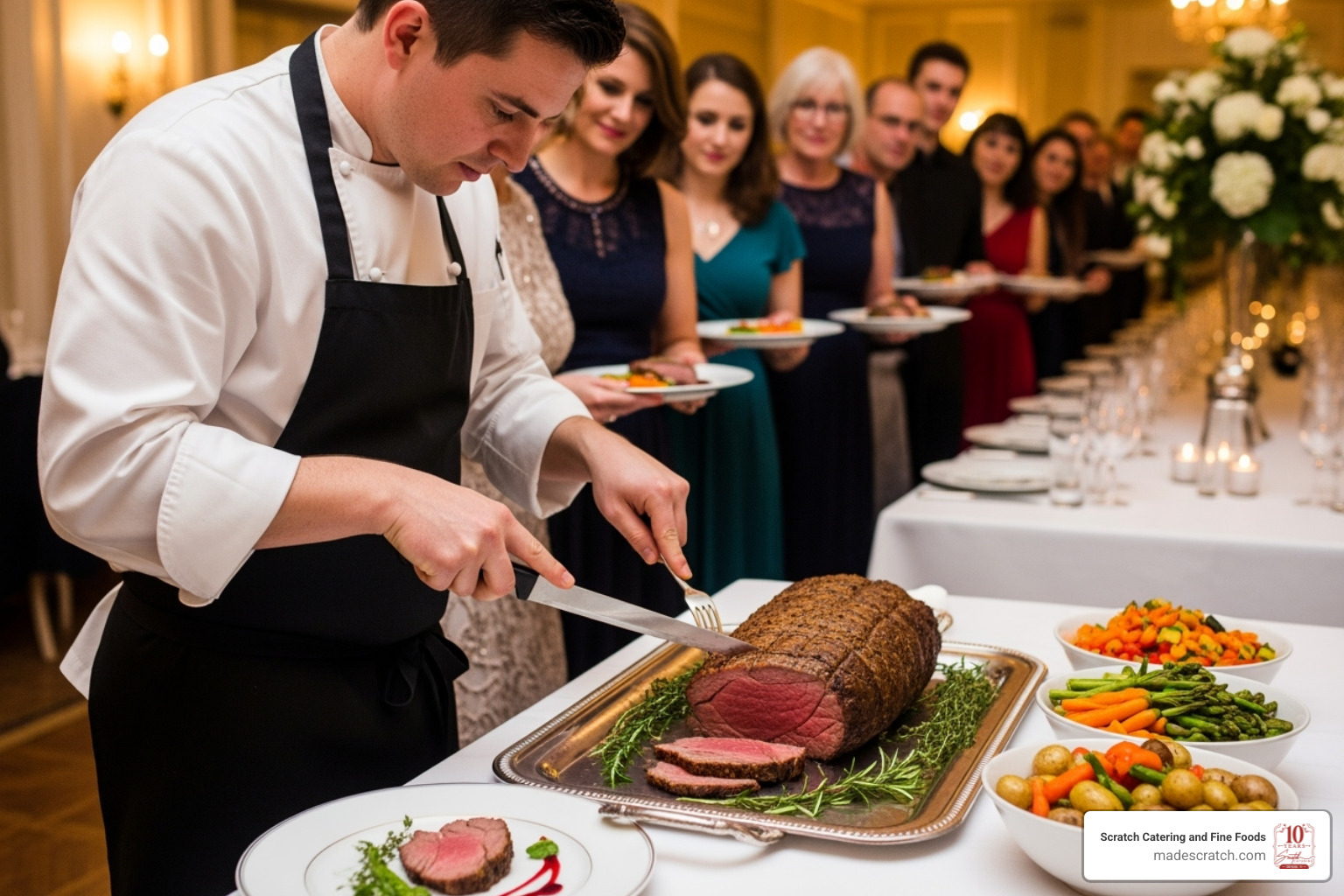
The biggest discount available to you costs nothing but flexibility. A venue quoting $6,500 for a Saturday in October will often quote $4,200 for a Friday, $3,200 for a Sunday, and $2,800 for a Saturday in February. That $3,700 spread is 18 percent of your entire budget, moved by one column on a calendar.
Peak season varies by region. Across most of the country, September and October are the hardest dates to get and the priciest, with May and June close behind. January through mid-March is genuinely cheap almost everywhere. In Phoenix, Palm Springs, or south Florida the seasons invert, and summer becomes your bargain. Ask any venue directly for its off-peak rate sheet. Most have one and simply do not lead with it.
Other vendors behave differently. Photographers, DJs, and coordinators rarely discount by day of week, though some knock 10 percent off weekday bookings. The real gain is availability, since you can book the person you actually want instead of their associate. Friday weddings do carry a cost worth weighing honestly. Guests who work will arrive late or miss the ceremony, and out-of-town attendance drops. A 5:30 PM Friday ceremony realistically starts at 6:00, so build the timeline around that.
Paying for it without running dry in month nine
Cash flow breaks more budgets than pricing does. Typical deposit schedules run like this:
- Venue: 25 to 50 percent to hold the date, balance due 30 days out
- Caterer: 25 percent deposit, then final headcount and full balance 10 to 14 days before
- Photographer: 30 to 50 percent retainer, balance due 30 days out
- Florist: commonly 50 percent at booking
- Coordinator: retainer plus one or two installments
Run that against a 12-month engagement and the shape becomes clear. You will pay roughly $5,500 to $6,000 in the first 60 days after booking. Then almost nothing for six months. Then $10,000 to $11,000 lands in the final six weeks. That last cluster is what surprises people.
Set an automatic transfer of about $1,400 a month into a separate account the day you book, and let the quiet middle stretch do the work. Keep the contingency in that account. Do not touch it until 10 days out, when the headcount is locked and you know the real number.
One practical note: pay deposits by credit card where you can, even if there is a 3 percent fee. Chargeback rights on a $3,000 venue deposit are worth $90. I have seen exactly one venue close between booking and wedding day, and the couple who paid by card got their money back.
Before you tour a single venue, rebuild the table above with your own guest count. Then get one caterer to quote an all-in per-guest number with service charge and tax included. That figure tells you within an hour whether your market supports the wedding you are imagining, or whether you are cutting 25 names. A $20,000 wedding budget works in most of this country, but only if you settle the headcount first and let every other number follow from it. If you want help pricing the coordination piece, see how the directory works and message two or three planners with your date, guest count, and venue type in the first email.